Hey there, Zoe Moore here from Electric Kettle Tea. Let’s chat about that small but mighty appliance sitting on your kitchen counter: the electric kettle. We all know that feeling of flicking the switch for a quick cuppa, but have you ever wondered about the energy it’s gulping down? The good news is that learning how to reduce energy use with a kettle isn’t about giving up your beloved tea or coffee; it’s about making smarter, simpler choices that benefit both your wallet and the planet. Stick with me, and I’ll walk you through everything you need to know to become an energy-saving pro in your own kitchen. It’s easier than you think, I promise!
The Evolution of the Kettle: From Whistle to Whisper
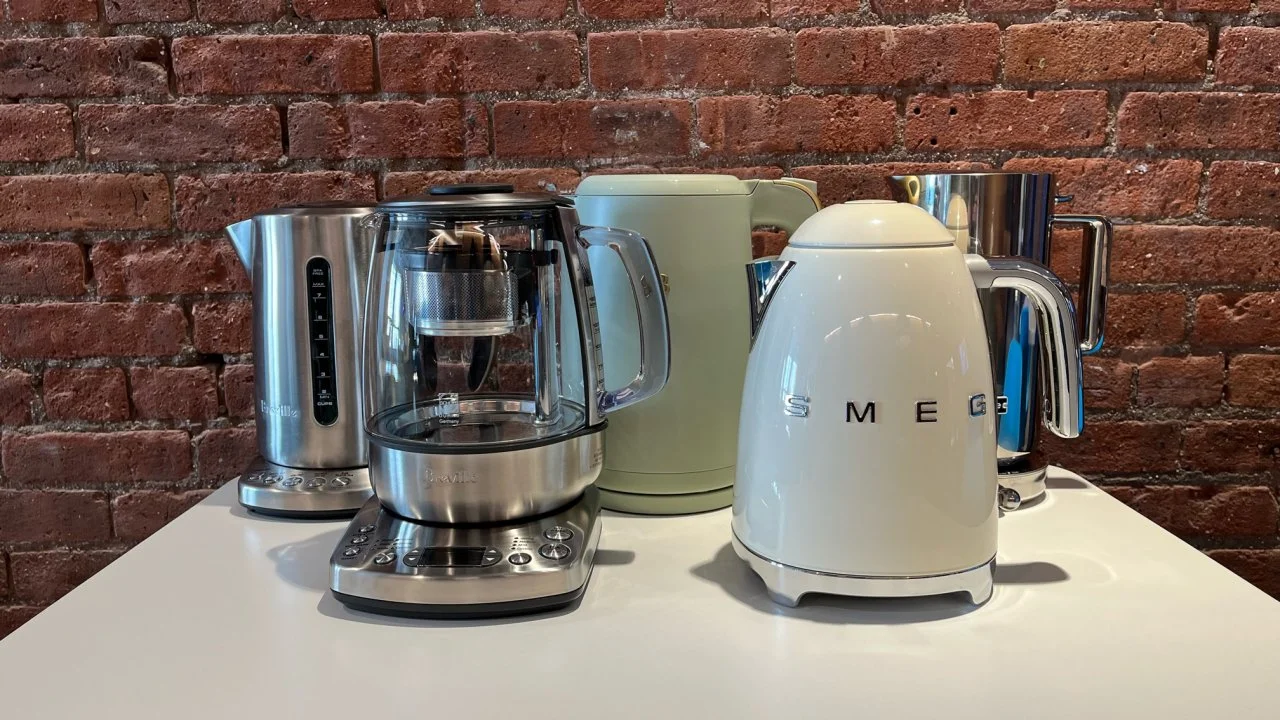
Before we dive into the nitty-gritty of saving energy, let’s take a quick trip back in time. The stovetop kettle, with its iconic whistle, was the king of the kitchen for decades. It was simple, effective, but not exactly efficient. You were heating the kettle, the water, the stovetop, and a good chunk of the air around it.
Then came the electric kettle. The concept is beautifully straightforward: a metal coil, known as a heating element, sits inside the kettle. When you plug it in and flip the switch, electricity flows through this coil, which has high resistance. This resistance turns electrical energy into heat, warming the water directly. A small device called a thermostat monitors the water temperature and automatically shuts the power off when it reaches boiling point. This direct heating method is significantly more efficient than a stovetop, as much less heat is lost to the surrounding environment.
Smart Habits: How to Reduce Energy Use with Your Kettle Daily
Alright, this is where the magic happens. The single biggest factor in your kettle’s energy consumption isn’t the model or the brand—it’s you! By adopting a few simple habits, you can make a substantial difference.
- Boil Only What You Need
This is the golden rule. It sounds obvious, but it’s the most common energy-wasting mistake. Heating a full litre of water when you only need enough for one mug of tea (about 250ml) uses four times the energy. Get into the habit of using your mug to measure the water before you pour it into the kettle. Some kettles even have handy measurement markers for one or two cups. It’s a tiny change that, over a year, adds up to real savings. - Descale Your Kettle Regularly
If you live in a hard water area, limescale is your enemy. That chalky white build-up on the heating element acts as an insulator. This forces the element to work harder and use more electricity to heat the water to the same temperature. Descaling your kettle every month or two will keep it working at peak efficiency. You don’t need fancy chemicals; a simple solution of equal parts white vinegar and water, left to sit for an hour and then boiled, works wonders. Just remember to rinse it out thoroughly!“Limescale is the silent energy thief in your kitchen. A layer just one millimeter thick can reduce a kettle’s efficiency by over 10%. Regular descaling is the single most important maintenance task for both performance and energy saving.” – Dr. Alistair Finch, Product Engineer, Home Appliance Technology.
- Don’t Re-boil Water
We’ve all done it. You boil the kettle, get distracted, and come back 10 minutes later to water that’s still hot, but not boiling. The temptation is to flick the switch again. If the water is still very warm, it won’t take much energy to re-boil. But if it has cooled significantly, you’re better off starting with fresh, cold water. Re-boiling can also concentrate minerals in the water, which can slightly affect the taste of your tea or coffee. - Keep the Lid Closed
This one’s just basic physics. An open lid lets heat escape, meaning the kettle will take longer to reach boiling point and will use more energy to get there. Always make sure the lid is securely closed before you start boiling.
Choosing Your Champion: Selecting an Energy-Efficient Kettle
While habits are key, having the right equipment certainly helps. If you’re in the market for a new kettle, here’s what to look for to ensure you’re making an energy-conscious choice.
Does Kettle Wattage Matter for Energy Use?
This is a common question, and the answer might surprise you. A higher-wattage kettle (e.g., 3000W) boils water faster than a lower-wattage one (e.g., 1500W). However, the total amount of energy consumed (measured in kilowatt-hours) to boil the same amount of water is roughly the same. The real efficiency gains don’t come from wattage, but from features.
Why a Variable Temperature Kettle is a Game-Changer
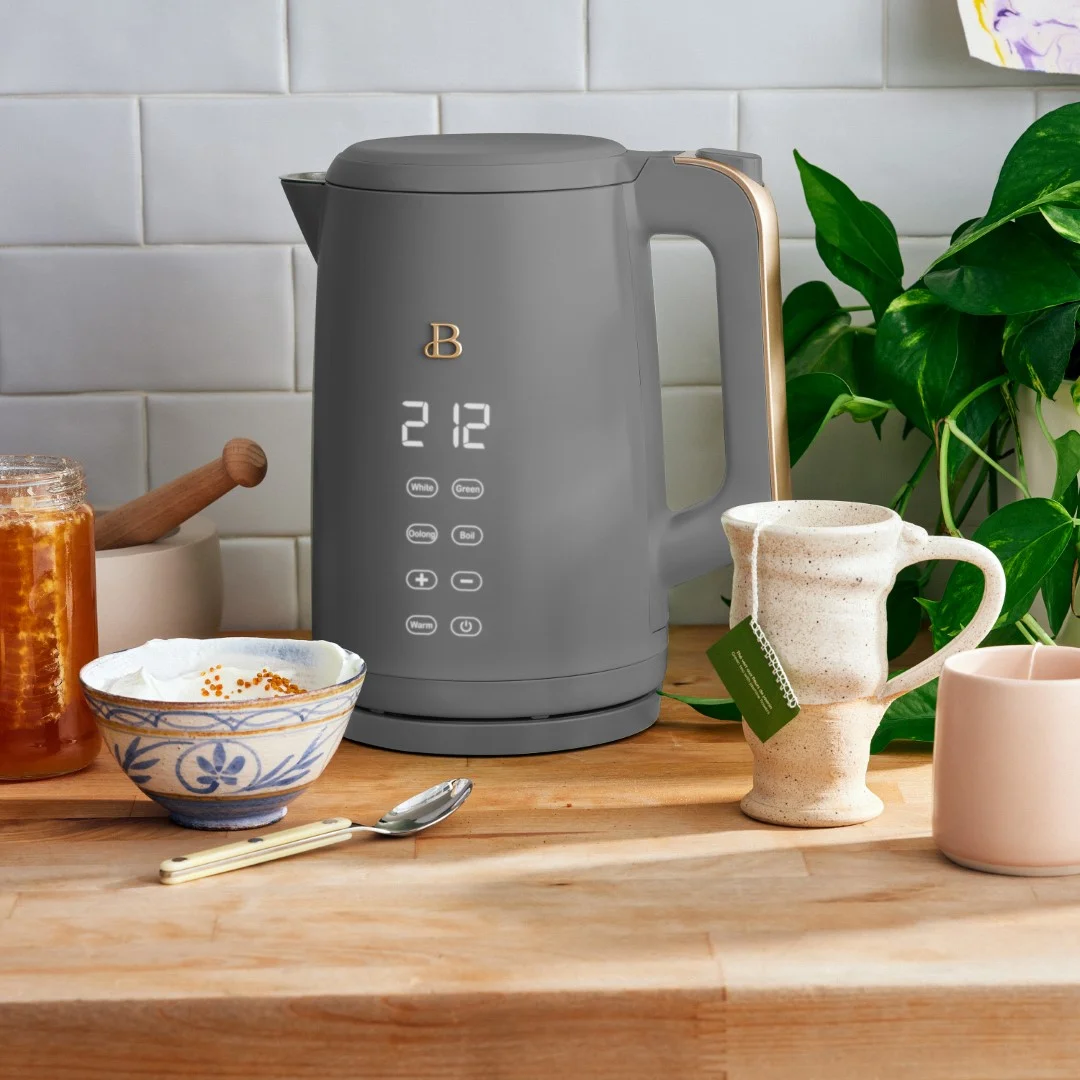
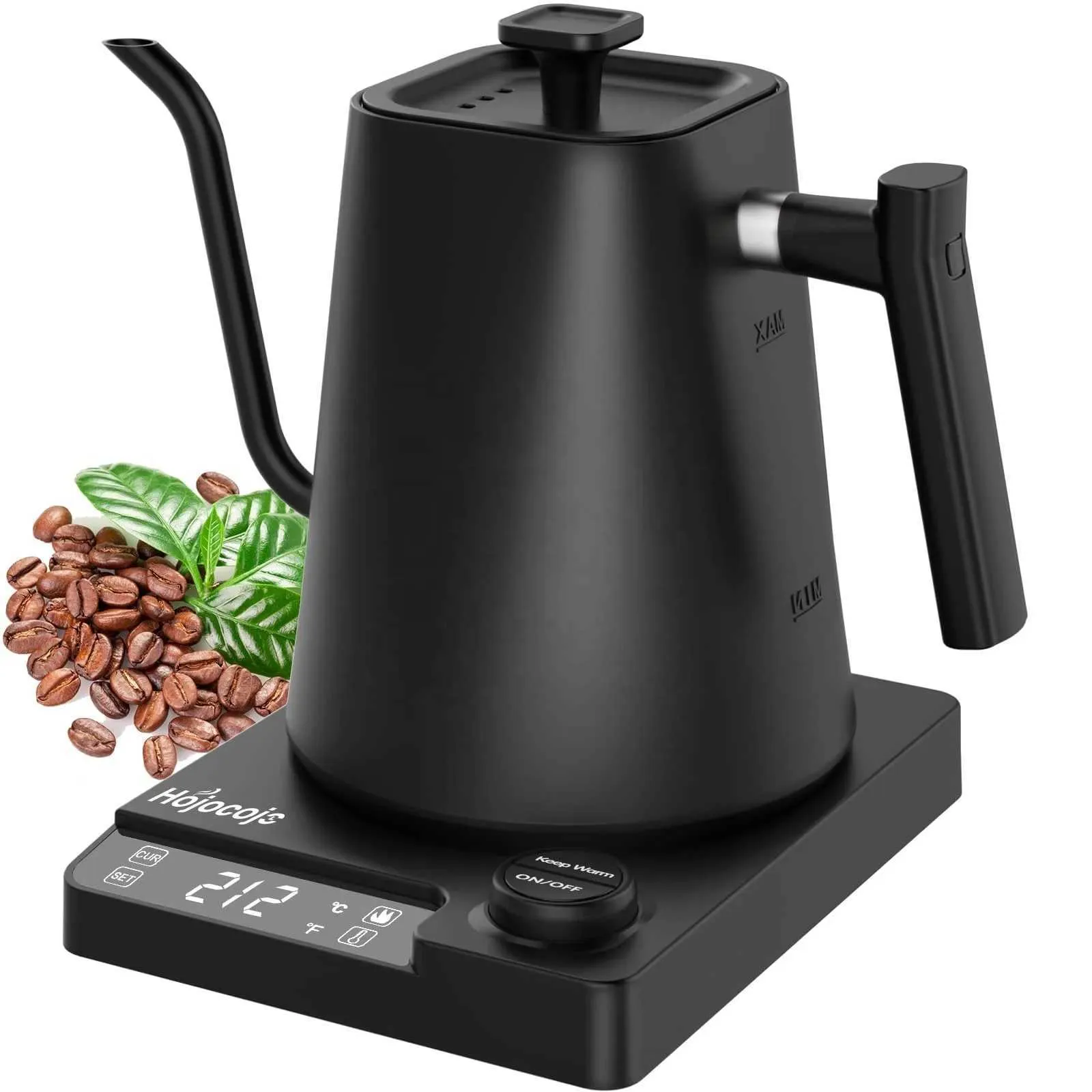
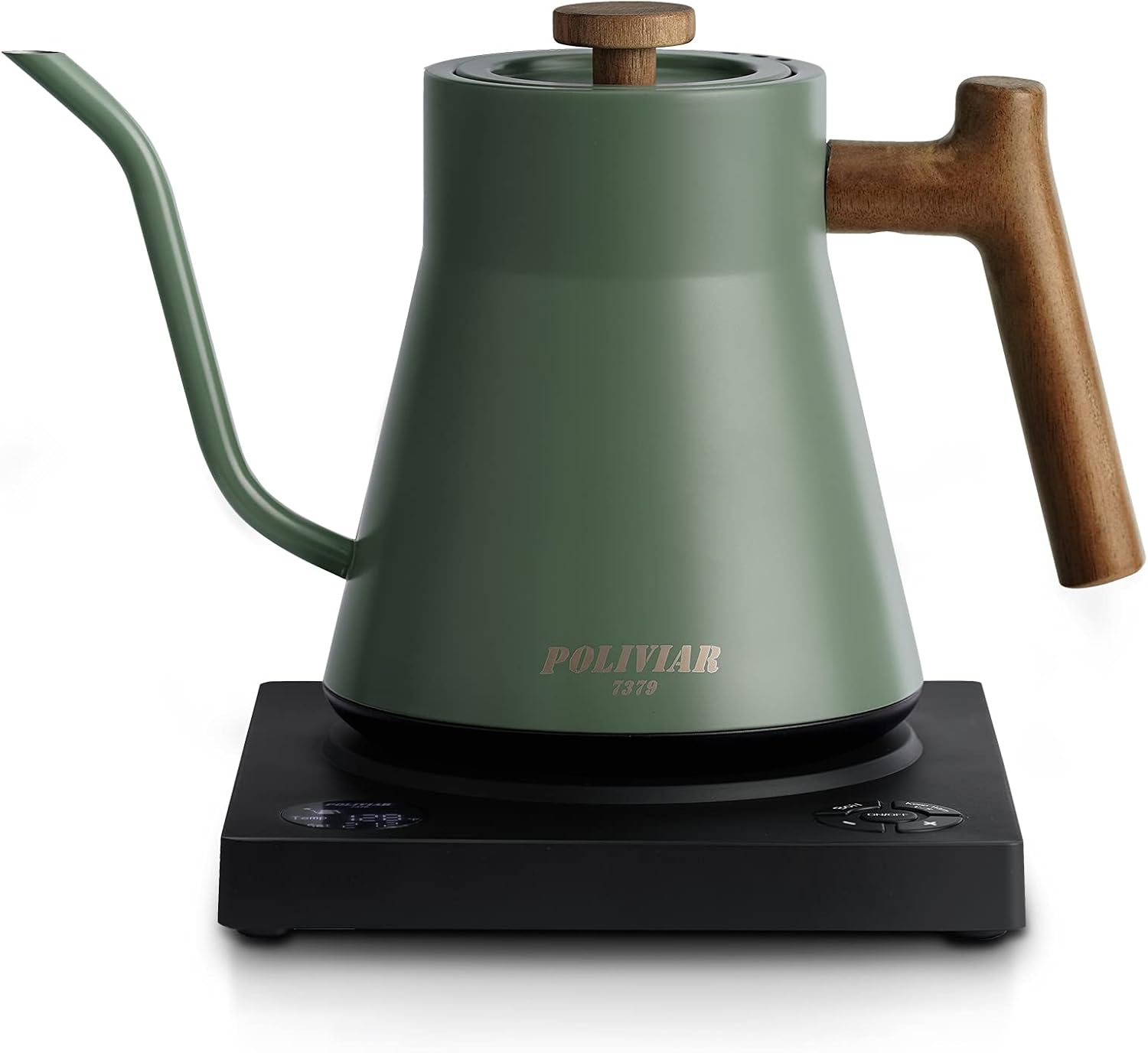
If you’re a true tea or coffee aficionado, a variable temperature kettle is your best friend for both flavour and efficiency. Many specialty teas and coffees brew best at temperatures below boiling.
- Green Tea: Best at around 80°C (175°F)
- White Tea: Best at around 85°C (185°F)
- French Press Coffee: Best at around 93°C (200°F)
Heating water to a full 100°C boil only to let it cool down is a major waste of energy. A variable temperature kettle allows you to heat the water to the precise temperature you need, using up to 20% less energy every time you skip the full boil. If you want to explore some of the best models, check out our guide to the best variable temperature kettles.
|
Our Picks for the Best Electric Kettle in 2026
As an Amazon Associate, we earn from qualifying purchases.
|
||
| Num | Product | Action |
|---|---|---|
| 1 | Chefman Electric Kettle, 1.8L 1500W, Hot Water Boiler, Removable Lid for Easy Cleaning, Auto Shut Off, Boil-Dry Protection, Stainless Steel Filter, BPA Free, Borosilicate Glass Electric Tea Kettle |

|
| 2 | Chefman Electric Kettle with Temperature Control, 5 Presets LED Indicator Lights, Removable Tea Infuser, Glass Tea Kettle & Hot Water Boiler, 360° Swivel Base, BPA Free, Stainless Steel, 1.8 Liters |
|
| 3 | Arofeer® 1.7L(57oz) Large Electric Kettle Temperature Control, 7+Cups Electric Tea Kettle for Coffee&Tea, 2 quarts Big Hot Water Kettle Electric with,1200W,Keep Warm-Black |
|
| 4 | Amazon Basics Electric Stainless Steel Kettle for Tea and Coffee, BPA-Free, Fast Boiling, Auto Shut-Off, 1.1 Quarts, 1500W, Black and Silver |
|
| 5 | Cosori Electric Kettle, No Plastic Filter & Spout, 1.7L Tea Kettle & Hot Water Boiler For Coffee & Tea, Water Heater & Teapot, Automatic Shut Off, Borosilicate glass, Black, 1500W |
|
| 6 | Cuisinart 1.7-Liter Stainless Steel Cordless Electric Kettle with 6 Preset Temperatures |
|
| 7 | Cuisinart Soho 1 Liter Double Wall Electric Kettle, Truffle |
|
| 8 | Chefman Electric Kettle with Temperature Control, 5 Presets LED Indicator Lights, Removable Tea Infuser, Glass Tea Kettle & Hot Water Boiler, 360° Swivel Base, BPA Free, Stainless Steel, 1.8 Liters |
|
| 9 | Electric Kettle 1.0L 1200W, 7 Temp Settings, 4H Keep-Warm, Fast-Boil Stainless Steel Electric Tea Kettle, 120V Water Boiler with Auto-Shut Off, Cool Touch PP Exterior for Home Office, Black |
|
| 10 | COMFEE\' Stainless Steel Electric Kettle, Temperature Control with 6 Presets, 1-Hr Keep Warm, Kettle Water Boiler 1.7 Litres, 1500W with Viewing Window, Auto-Off and Boil-Dry Protection |
|
Look for Good Insulation
While not always heavily advertised, a kettle’s ability to retain heat matters. Double-walled stainless steel kettles, for example, act like a thermos. They keep water hotter for longer, reducing the need to re-boil if you want a second cup shortly after the first. Materials like glass and high-quality, BPA-free plastic are also excellent, but a well-constructed stainless steel model often has the edge in insulation.
The Unsung Benefits of a Modern Electric Kettle
Beyond just learning how to reduce energy use with your kettle, upgrading to a modern model brings a host of other benefits that enhance your daily routine.
- Speed: Modern kettles can boil a cup of water in under a minute. That’s faster than a microwave or a stovetop.
- Safety: Features like automatic shut-off and boil-dry protection are now standard. This means you can never accidentally leave the kettle on to boil away all its water, which is a significant fire hazard with older or stovetop models.
- Convenience: Cordless bases, 360-degree swivels, and easy-pour spouts make using them a breeze.
- Precision: As we’ve discussed, variable temperature controls give you the power to brew the perfect beverage every single time.
Frequently Asked Questions (FAQ)
Q: Is it cheaper to boil water in an electric kettle or on the stove?
A: In almost all cases, an electric kettle is cheaper and more energy-efficient. It heats the water directly and loses very little heat to the air, whereas a significant amount of energy from a gas or electric stovetop is lost in heating the surrounding environment.
Q: Does leaving a kettle plugged in use electricity?
A: A basic kettle with a simple on/off switch uses no electricity when it’s off. However, more advanced models with digital displays, clocks, or “keep warm” functions will draw a very small amount of standby power. It’s minimal, but to use zero energy, you’d need to unplug it.
Q: How often should I descale my kettle?
A: This depends entirely on the hardness of your water. In soft water areas, every three to four months might be enough. In very hard water areas, you’ll benefit from descaling every month to maintain peak efficiency and prolong the life of your appliance.
Q: Can a more expensive kettle save me money in the long run?
A: Yes, it can. A kettle with variable temperature settings can save you significant energy over its lifetime if you frequently drink beverages that don’t require boiling water. Better insulation and build quality can also contribute to longer-lasting performance, saving you replacement costs.
Q: What is the most energy-efficient material for a kettle?
A: There isn’t a single “best” material, as design plays a huge role. However, double-walled stainless steel kettles generally offer the best insulation, keeping water hot for longer and reducing the need for re-boiling, which indirectly saves energy.
Your Cup of Tea, Your Way
So there you have it. The electric kettle is more than just a simple appliance; it’s a marvel of efficiency. By combining smart daily habits with the right features, you can easily slash your energy consumption without sacrificing convenience. Remember the key takeaways: only boil the water you need, descale it regularly, and consider a model with variable temperature settings if it suits your lifestyle. Mastering how to reduce energy use with your kettle is a small change with a big impact, putting money back in your pocket and giving you the perfect brew, every single time.