Hello there, Zoe here from Electric Kettle Tea. There’s something truly special about the ritual of a hot drink, isn’t there? That first cup of coffee in the morning or a calming chamomile tea before bed. It’s a moment of peace. But what if the very tool you use for this ritual could be introducing unwanted chemicals into your water? It’s a thought that made me pause, and it’s likely why you’re looking to buy a BPA free electric kettle. You’re in the right place. My goal isn’t just to talk about products; it’s to empower you with the knowledge to make a choice that feels right for your home and your health.
Over the years, I’ve tested and taken apart more kettles than I can count. I’ve seen the good, the bad, and the flimsy. This journey has given me a deep appreciation for what truly makes a great kettle, and a big part of that is the material it’s made from. To understand why going BPA-free is such a smart move, we first need to understand the concerns around this chemical.
For those interested in how sustainability plays a role in appliance choice, exploring options from an buy eco friendly kettle brand can provide another layer of conscious consumerism.
What Exactly is BPA and Why Should I Care?
Let’s break it down without getting too bogged down in scientific jargon. BPA stands for Bisphenol-A. It’s an industrial chemical that has been used to make certain plastics and resins since the 1960s. You’ll find it in polycarbonate plastics—the hard, clear kind—and epoxy resins. The problem arises when these plastics are heated.
When you boil water in a kettle containing BPA, the heat can cause the chemical to leach from the plastic into your water. While the debate on the exact level of harm is ongoing, numerous studies have linked BPA exposure to potential health concerns. For me, it’s a simple case of “better safe than sorry.” Why take the risk when there are so many fantastic, safe alternatives?
“When it comes to materials that come into contact with our food and drink, especially under high heat, stability is paramount,” notes Dr. Alistair Finch, a materials scientist specializing in consumer products. “The migration of chemicals from plastic is a real phenomenon, which is why choosing inert materials like food-grade stainless steel or borosilicate glass is a scientifically sound decision for peace of mind.”
The Champions of a Healthier Boil: Kettle Materials
When you decide to buy a BPA free electric kettle, you’re essentially choosing a kettle made from safer materials. Your main contenders are stainless steel and glass, with some high-quality, certified BPA-free plastics also in the mix.
Stainless Steel: The Durable Workhorse
This is the most popular choice for a reason. Stainless steel is tough, resistant to rust and corrosion, and doesn’t impart any flavor to your water.
- Pros: Highly durable, easy to clean, often has a sleek, modern look. They are built to last.
- Cons: The exterior can get very hot to the touch. It’s also impossible to see the water level from the outside unless it has a viewing window (which might be made of plastic).
- What to look for: Seek out kettles made from “304 grade” or “18/8” stainless steel. This is food-grade and considered the industry standard for quality kitchenware due to its excellent corrosion resistance.
Glass: The Elegant Performer
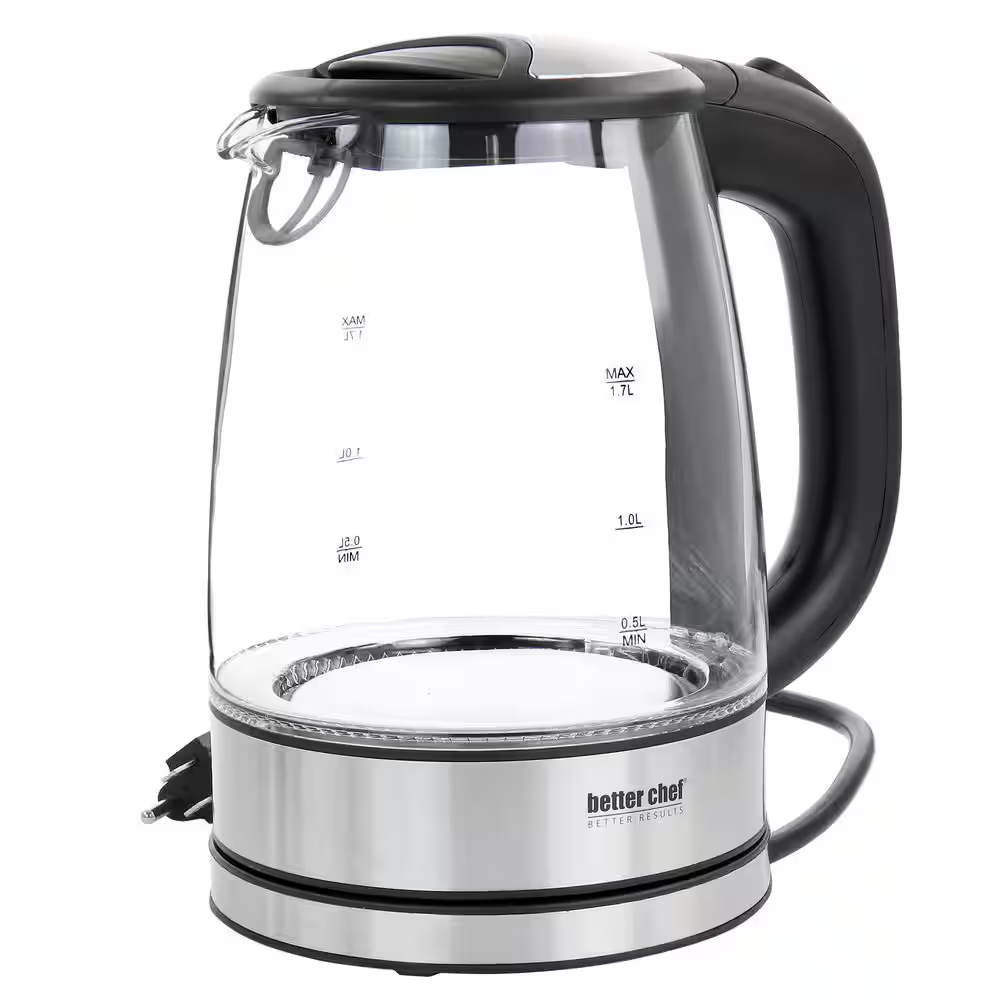
There’s something mesmerizing about watching water boil in a glass kettle. It’s a clean, pure experience, and you know exactly what’s going on inside.
- Pros: You can easily see the water level and spot any mineral buildup (limescale) that needs cleaning. Glass is completely inert and won’t leach anything into your water.
- Cons: Glass is more fragile than steel. While most are made from tough borosilicate glass (like Pyrex), a hard knock can still cause a crack or shatter.
- What to look for: Ensure the kettle is made from “borosilicate glass,” which is thermal shock resistant. Also, check what material the lid and spout filter are made of, as these can sometimes be plastic parts.
Certified BPA-Free Plastic: The Budget-Friendly Option
Hold on, didn’t we just talk about avoiding plastic? Well, not all plastics are created equal. Many manufacturers now use plastics that are certified to be free of BPA. These are often lighter and less expensive.
- Pros: Lightweight, often more affordable, and they don’t get as hot on the outside.
- Cons: There is still some consumer skepticism about heating any kind of plastic, even if it’s BPA-free. They can also be prone to staining or retaining odors over time. If you’re on a tight budget, they are a viable option. In fact, if you’re looking for a wallet-friendly choice, our guide to buy electric kettle under 30 can help you find a safe and affordable model.
How to Choose the Right BPA-Free Kettle for You
Okay, you’re sold on the ‘why’. Now for the ‘what’. Choosing the perfect kettle goes beyond just the material. Here’s a checklist of things I always consider.
- Capacity: How many people are you typically boiling for? Kettles usually range from 1 liter (about 4 cups) to 1.7 liters (about 7 cups). A solo tea drinker has very different needs than a large family.
- Boiling Speed: A kettle’s power is measured in watts. Higher wattage (1500W and up) means a faster boil. If you’re always in a rush in the mornings, this matters! If you’re specifically seeking speed, you might want to read our detailed review to buy fast boiling kettle models that get the job done in record time.
- Temperature Control: This is a game-changer for tea and coffee aficionados. Different teas brew best at different temperatures (e.g., green tea around 175°F, black tea at a full boil). A variable temperature kettle gives you precise control for a perfect brew every time.
- Ease of Use & Safety Features: Look for a comfortable handle, a well-designed spout that pours without dripping, and a lid that opens easily. Essential safety features include automatic shut-off and boil-dry protection (which turns the kettle off if it detects there’s no water inside). A great feature in modern appliances is cordless convenience, and it is wise to buy cordless kettle with warranty to protect your investment.
- Noise Level: Some kettles can sound like a jet engine taking off! If you have an open-plan living space or are sensitive to noise, look for reviews that mention the kettle’s operating sound level.
|
Our Picks for the Best Electric Kettle in 2026
As an Amazon Associate, we earn from qualifying purchases.
|
||
| Num | Product | Action |
|---|---|---|
| 1 | Arofeer® 1.7L(57oz) Large Electric Kettle Temperature Control, 7+Cups Electric Tea Kettle for Coffee&Tea, 2 quarts Big Hot Water Kettle Electric with,1200W,Keep Warm-Black |

|
| 2 | Chefman Electric Kettle with Temperature Control, 5 Presets LED Indicator Lights, Removable Tea Infuser, Glass Tea Kettle & Hot Water Boiler, 360° Swivel Base, BPA Free, Stainless Steel, 1.8 Liters |
|
| 3 | Chefman Electric Kettle with Temperature Control, 5 Presets LED Indicator Lights, Removable Tea Infuser, Glass Tea Kettle & Hot Water Boiler, 360° Swivel Base, BPA Free, Stainless Steel, 1.8 Liters |
|
| 4 | Cuisinart 1.7-Liter Stainless Steel Cordless Electric Kettle with 6 Preset Temperatures |
|
| 5 | COMFEE\' Stainless Steel Electric Kettle, Temperature Control with 6 Presets, 1-Hr Keep Warm, Kettle Water Boiler 1.7 Litres, 1500W with Viewing Window, Auto-Off and Boil-Dry Protection |
|
| 6 | Amazon Basics Electric Stainless Steel Kettle for Tea and Coffee, BPA-Free, Fast Boiling, Auto Shut-Off, 1.1 Quarts, 1500W, Black and Silver |
|
| 7 | Cuisinart Soho 1 Liter Double Wall Electric Kettle, Truffle |
|
| 8 | Electric Kettle 1.0L 1200W, 7 Temp Settings, 4H Keep-Warm, Fast-Boil Stainless Steel Electric Tea Kettle, 120V Water Boiler with Auto-Shut Off, Cool Touch PP Exterior for Home Office, Black |
|
| 9 | Cosori Electric Kettle, No Plastic Filter & Spout, 1.7L Tea Kettle & Hot Water Boiler For Coffee & Tea, Water Heater & Teapot, Automatic Shut Off, Borosilicate glass, Black, 1500W |
|
| 10 | Chefman Electric Kettle, 1.8L 1500W, Hot Water Boiler, Removable Lid for Easy Cleaning, Auto Shut Off, Boil-Dry Protection, Stainless Steel Filter, BPA Free, Borosilicate Glass Electric Tea Kettle |
|
Keeping Your Kettle in Tip-Top Shape
Once you buy a BPA free electric kettle, a little maintenance will ensure it lasts for years and your water always tastes fresh. The main enemy is limescale—a chalky white deposit of calcium carbonate that builds up, especially in hard water areas.
How to Descale Your Kettle
It’s easier than you think!
- Fill the kettle halfway with a solution of equal parts white vinegar and water.
- Let it sit for an hour. If the buildup is heavy, you can bring it to a boil and then let it sit.
- Empty the kettle and rinse it thoroughly with fresh water several times to remove any vinegar taste.
- For stubborn spots, you can use a soft cloth or sponge, but avoid abrasive scourers that could scratch the interior.
Doing this every month or two will keep your kettle efficient and your water pure.
Frequently Asked Questions
Are all new plastic kettles automatically BPA-free?
Not necessarily. While many reputable brands have made the switch, cheaper, unbranded models might still contain BPA. Always look for a clear “BPA-Free” label on the packaging or product description.
Can a stainless steel kettle make my water taste like metal?
A high-quality, food-grade (304) stainless steel kettle should not impart any metallic taste. If you experience this, it’s often due to residue from the manufacturing process. A thorough first cleaning with vinegar and water usually solves the problem.
Are glass kettles heavy?
They are generally heavier than plastic kettles but often comparable in weight to stainless steel models. The borosilicate glass used is strong but relatively lightweight.
What’s the best material for a BPA-free kettle?
It’s a personal choice! For durability and a classic look, go with stainless steel. For a clean aesthetic and the ability to see your water boil, glass is fantastic. Both are excellent, safe choices.
How important is boil-dry protection?
Extremely important. It’s a crucial safety feature that prevents the kettle from overheating and becoming a fire hazard if you accidentally turn it on without water. Never buy a kettle without it.
Your Healthier Cup Awaits
Making the switch is a simple yet impactful step towards a healthier lifestyle. It’s about being mindful of the products we use every day and choosing quality over convenience. When you set out to buy a BPA free electric kettle, you’re not just buying an appliance; you’re investing in peace of mind. You’re ensuring that every cup of tea, coffee, or hot chocolate is as pure and wholesome as it can be. So go ahead, choose that beautiful glass or sturdy steel model, and enjoy the simple, satisfying ritual of a perfect hot beverage.