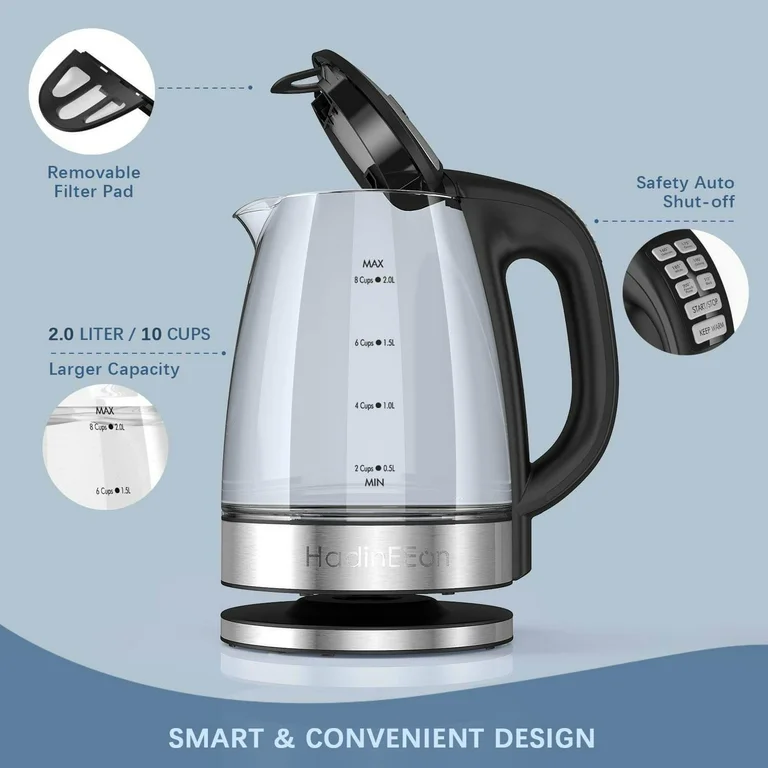
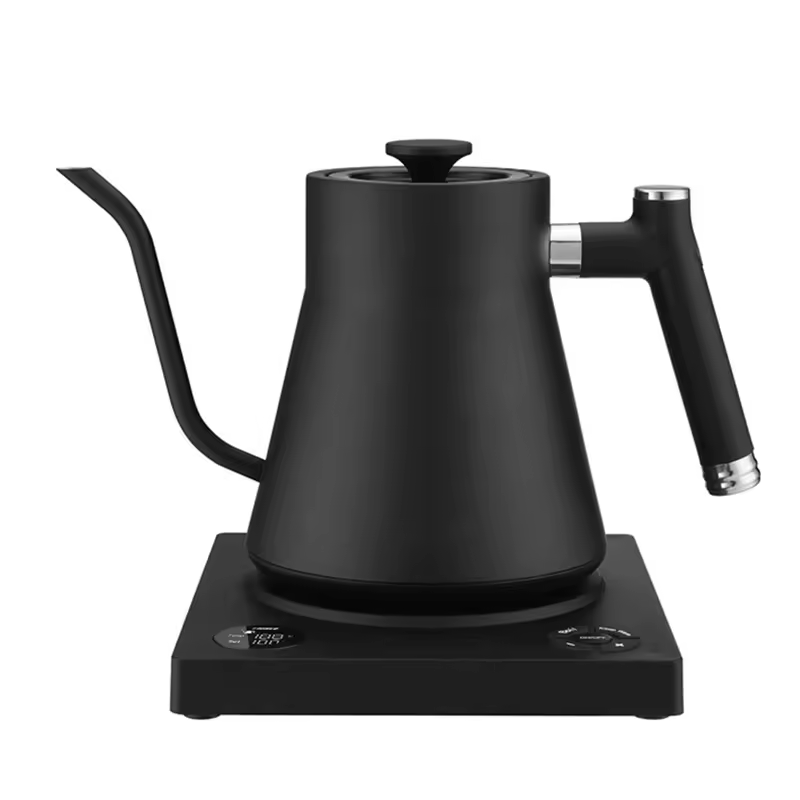
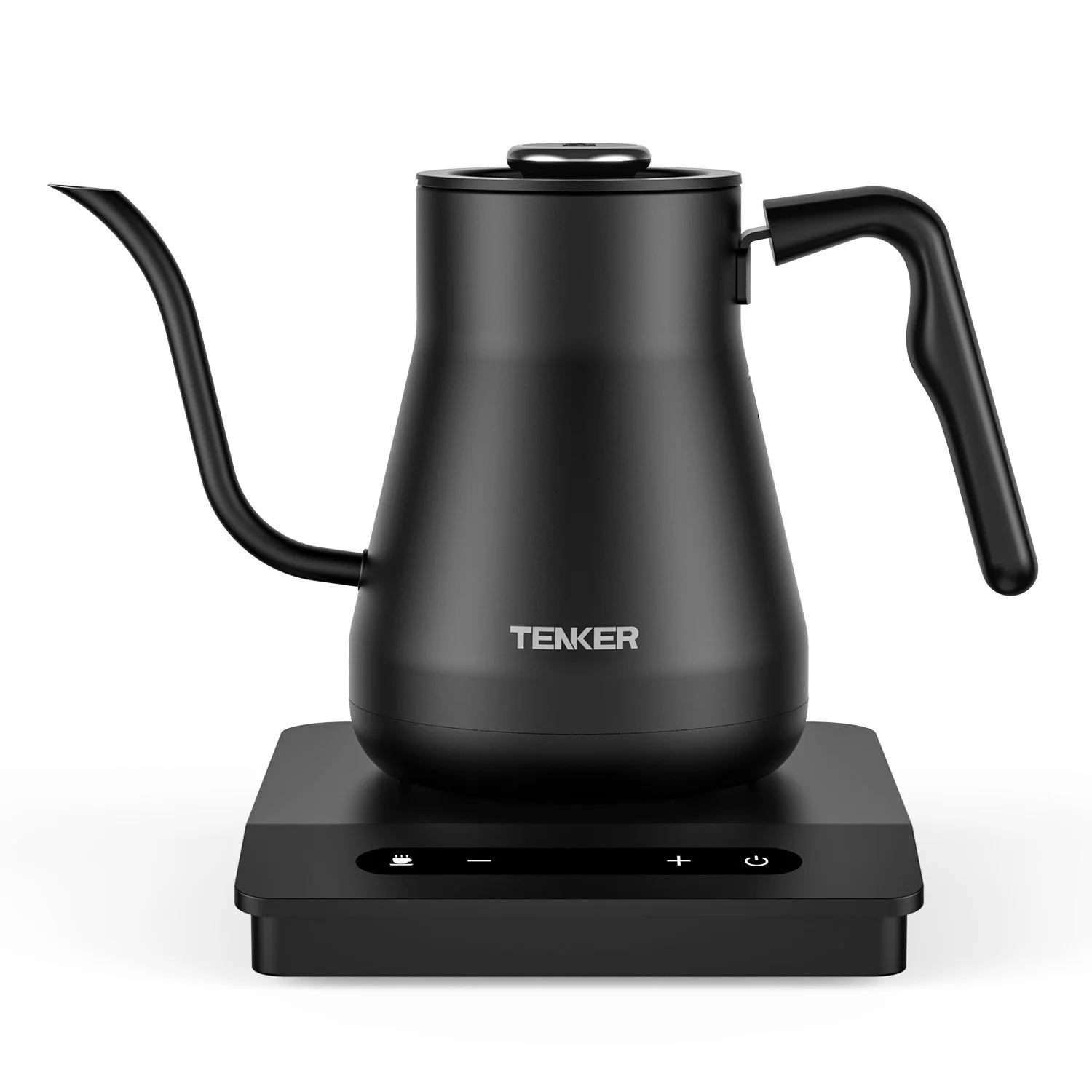
Hey there, ZoeMoore here, your friendly neighborhood kettle enthusiast from Electric kettle Tea. Let’s be honest, we’ve all been there: staring at a pot on the stove, willing it to boil faster, or worse, dealing with a microwave-zapped mug of lukewarm water. If you’re currently sifting through endless Electric Kettle Reviews Consumer Reports and feeling a bit overwhelmed, take a deep breath. You’ve come to the right place. My goal isn’t to just sell you a kettle; it’s to help you find the perfect partner for your daily ritual, whether that’s a calming cup of chamomile or a rocket-fuel-strength morning coffee.
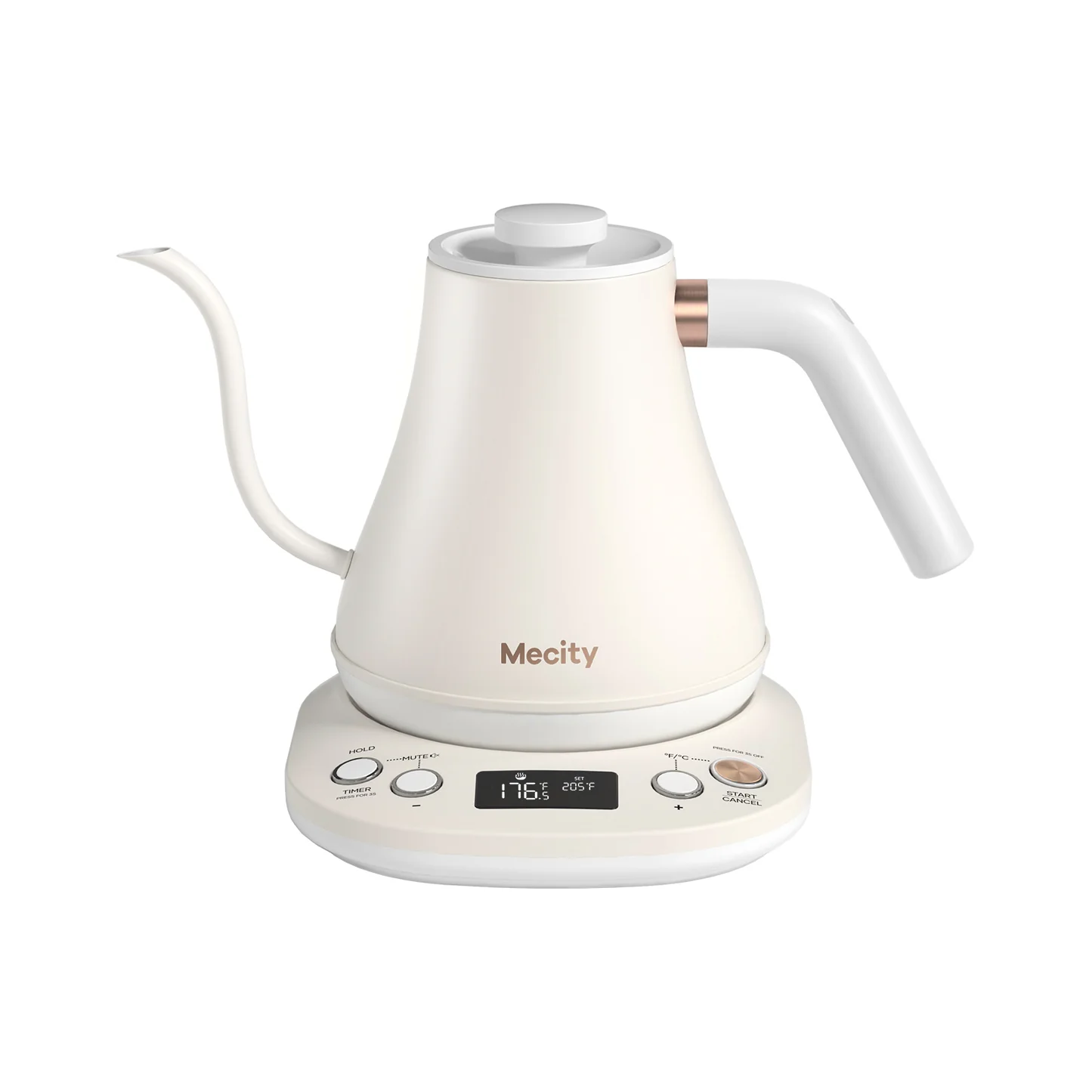
The Humble Kettle’s Glow-Up: From Simple to Smart
Before we dive into the nitty-gritty, let’s appreciate how far this simple appliance has come. The first electric kettles popped up over a century ago, but they were, shall we say, a bit clunky. The real game-changer was the invention of the automatic shut-off feature. Suddenly, you didn’t have to worry about boiling your kettle dry!
At its heart, an electric kettle works on a simple principle. A metal coil, called a heating element, sits at the base. When you flip the switch, electricity flows through this coil, which has a high resistance. This resistance converts electrical energy into heat, warming the water directly and efficiently. It’s way faster and often more energy-efficient than boiling water on a stovetop.
What’s Your Type? Navigating the Kettle Jungle
Walking down the small appliance aisle can feel like speed-dating. Kettles come in all shapes, sizes, and materials. Let’s break down the main contenders.
Material Matters: What’s It Made Of?
- Stainless Steel: The workhorse of the kettle world. It’s durable, easy to clean, and doesn’t impart any weird flavors to your water. Look for “304” or “18/8” food-grade stainless steel for the best quality.
- Glass: The entertainer. There’s something mesmerizing about watching the water bubble and boil. They look sleek and modern, but they can be a bit more fragile and show mineral deposits (limescale) more easily.
- Plastic: The budget-friendly option. Modern plastic kettles are much better than their predecessors, but it’s crucial to ensure they are BPA-free. They’re lightweight but can sometimes retain odors or flavors over time.
- Ceramic: The style icon. These often come in beautiful designs and colors, acting as a piece of kitchen decor. They hold heat well but are the heaviest and most fragile of the bunch.
Key Kettle Styles to Know
- Standard Kettle: Your everyday, no-fuss water boiler. Perfect for general use.
- Gooseneck Kettle: The ballerina of the kettle world. Its long, slender spout provides incredible pouring precision, making it a must-have for pour-over coffee aficionados.
- Variable Temperature Kettle: The control freak’s dream. This is where modern kettles really shine. Different teas and coffees extract their best flavors at specific temperatures. A variable temp kettle lets you dial in the exact heat you need, from 175°F for delicate green tea to a full 212°F boil for black tea.
How to Decode Electric Kettle Reviews Consumer Reports
Alright, let’s get to the main event. When you’re scrolling through reviews, it’s easy to get lost in the specs. Here’s what you should actually be looking for to make an informed decision based on electric kettle reviews consumer reports and real-world use.
Temperature Control: Is It Worth The Hype?
For tea or coffee lovers, the answer is a resounding yes. Brewing green tea with boiling water can scorch the leaves, making it bitter. A variable temperature kettle prevents this, unlocking the true flavor profile of your drink. If you just need boiling water for oatmeal or instant noodles, you can probably skip this feature.
Speed, Power, and Capacity
- Power (Watts): Most US kettles are around 1500 watts. This will typically boil a full liter of water in about 3-4 minutes. Anything less than 1200 watts might feel a bit sluggish.
- Capacity (Liters): Kettles usually range from 1 to 1.7 liters. A 1-liter kettle is great for personal use, while a 1.7-liter model is better for families or if you entertain often. Just remember, a bigger kettle takes longer to boil when full.
Safety First: What Features Should I Look For?
This is non-negotiable. Your kettle should have these two features, period.
- Automatic Shut-Off: The kettle turns itself off once the water reaches a rolling boil.
- Boil-Dry Protection: If the kettle is accidentally turned on with no water inside, this feature shuts it down to prevent the heating element from burning out.
Ease of Use & Design: The Little Things That Count
- Lid: Does it pop open easily with one hand? Is the opening wide enough for easy filling and cleaning?
- Handle: Is it ergonomic and heat-resistant? Does it feel balanced when the kettle is full?
- Water Gauge: A clear water level indicator is a must-have so you don’t overfill or underfill.
- Cord: Look for cordless models where the kettle lifts off a 360-degree swivel base. This is much more convenient than having a cord attached to the jug itself.
As product engineer Dr. Alistair Finch often says, “Consumers rightly focus on speed and temperature, but the true test of a great kettle is its daily usability. A poorly designed lid or a wobbly base can turn a daily convenience into a daily annoyance. Pay attention to the details.”
Pro Tips for Safe and Savvy Kettle Use
Want to get the most out of your new appliance? It’s simple.
- Only boil what you need: This is the number one way to save energy and time. Boiling a full kettle for just one cup of tea wastes electricity.
- Never overfill: Pay attention to the ‘MAX’ line. Overfilling can cause boiling water to spurt out of the spout, which is a serious burn hazard.
- Don’t re-boil old water: For the best-tasting tea or coffee, always start with fresh, cold water. Re-boiling water can concentrate minerals and result in a flat taste.
|
Our Picks for the Best Electric Kettle in 2026
As an Amazon Associate, we earn from qualifying purchases.
|
||
| Num | Product | Action |
|---|---|---|
| 1 | Chefman Electric Kettle with Temperature Control, 5 Presets LED Indicator Lights, Removable Tea Infuser, Glass Tea Kettle & Hot Water Boiler, 360° Swivel Base, BPA Free, Stainless Steel, 1.8 Liters |

|
| 2 | Chefman Electric Kettle with Temperature Control, 5 Presets LED Indicator Lights, Removable Tea Infuser, Glass Tea Kettle & Hot Water Boiler, 360° Swivel Base, BPA Free, Stainless Steel, 1.8 Liters |
|
| 3 | Arofeer® 1.7L(57oz) Large Electric Kettle Temperature Control, 7+Cups Electric Tea Kettle for Coffee&Tea, 2 quarts Big Hot Water Kettle Electric with,1200W,Keep Warm-Black |
|
| 4 | COMFEE\' Stainless Steel Electric Kettle, Temperature Control with 6 Presets, 1-Hr Keep Warm, Kettle Water Boiler 1.7 Litres, 1500W with Viewing Window, Auto-Off and Boil-Dry Protection |
|
| 5 | Electric Kettle 1.0L 1200W, 7 Temp Settings, 4H Keep-Warm, Fast-Boil Stainless Steel Electric Tea Kettle, 120V Water Boiler with Auto-Shut Off, Cool Touch PP Exterior for Home Office, Black |
|
| 6 | Amazon Basics Electric Stainless Steel Kettle for Tea and Coffee, BPA-Free, Fast Boiling, Auto Shut-Off, 1.1 Quarts, 1500W, Black and Silver |
|
| 7 | Cosori Electric Kettle, No Plastic Filter & Spout, 1.7L Tea Kettle & Hot Water Boiler For Coffee & Tea, Water Heater & Teapot, Automatic Shut Off, Borosilicate glass, Black, 1500W |
|
| 8 | Cuisinart 1.7-Liter Stainless Steel Cordless Electric Kettle with 6 Preset Temperatures |
|
| 9 | Cuisinart Soho 1 Liter Double Wall Electric Kettle, Truffle |
|
| 10 | Chefman Electric Kettle, 1.8L 1500W, Hot Water Boiler, Removable Lid for Easy Cleaning, Auto Shut Off, Boil-Dry Protection, Stainless Steel Filter, BPA Free, Borosilicate Glass Electric Tea Kettle |
|
Why is an Electric Kettle a Kitchen Game-Changer?
It’s more than just a gadget; it’s an upgrade to your daily routine. Here’s the bottom line:
- Speed: It’s significantly faster than a stovetop or microwave.
- Energy Efficiency: Because the heating element is in direct contact with the water, it’s highly efficient.
- Precision: Variable temperature models offer unparalleled control for beverage connoisseurs.
- Safety: With features like auto shut-off, they are much safer than an open-flame stovetop.
Keeping Your Kettle Happy: A Simple Cleaning Guide
Ever notice that chalky white stuff building up inside your kettle? That’s limescale, and it’s totally normal, especially if you live in a hard water area. It can slow down your kettle and affect the taste of your water. Luckily, getting rid of it is a piece of cake.
Your Descaling Checklist:
- [ ] Fill the kettle halfway with a 1:1 solution of white vinegar and water.
- [ ] Bring it to a boil and then let it sit for at least an hour (or overnight for heavy buildup).
- [ ] Pour out the solution and rinse the kettle thoroughly several times with fresh water to remove any vinegar smell.
- [ ] For stubborn spots, you can use a soft cloth or sponge to gently wipe the interior.
- [ ] Boil a full kettle of fresh water once and discard it to ensure it’s perfectly clean.
- [ ] Wipe down the exterior with a damp cloth. Done!
Aim to do this every 1-2 months to keep your kettle in tip-top shape. You can also find commercial descaling products, but good old vinegar often does the trick just as well.
Frequently Asked Questions (FAQ)
What is the best material for an electric kettle?
For durability and pure taste, food-grade stainless steel is generally considered the best all-around material. Glass is a great option for aesthetics and monitoring water, while BPA-free plastic is a good lightweight, budget choice.
How often should I clean my electric kettle?
You should descale your kettle every 4-8 weeks, depending on your water hardness. If you see visible white flakes or a layer of scale at the bottom, it’s time for a clean. The exterior can be wiped down weekly.
Are variable temperature kettles really necessary?
They are a game-changer for anyone serious about tea or coffee, as different types require specific temperatures for optimal flavor. For general use like making oatmeal or ramen, a standard kettle that boils to 212°F (100°C) is perfectly fine.
Is a glass or stainless steel kettle better?
It’s a matter of preference. Stainless steel is more durable and hides smudges better. Glass looks beautiful and lets you see the water boil, but it’s more fragile and shows mineral buildup more obviously, requiring more frequent cleaning to look its best.
Can I put anything other than water in my electric kettle?
No, you should never put milk, soup, or any other liquid in your electric kettle. It’s designed only for water. Other liquids can burn, damage the heating element, and create a difficult-to-clean mess.
Your Perfect Cup Awaits
Navigating the world of electric kettle reviews consumer reports doesn’t have to be a chore. By focusing on how you plan to use it—whether you’re a pour-over pro or a tea-time traditionalist—and keeping an eye on those key features of material, safety, and ease of use, you can find a kettle that feels like it was made just for you. The right kettle doesn’t just boil water; it streamlines your morning, perfects your afternoon tea, and adds a little moment of joy to your day. So go ahead, choose with confidence, and let us know what you picked! We love hearing about your experiences in the Electric kettle Tea community.