Hey there, I’m Zoe Moore. For years, my mornings have started with the gentle hum and satisfying click of an electric kettle. It’s more than an appliance to me; it’s the start of a ritual. Whether you’re a tea connoisseur, a pour-over coffee aficionado, or just need hot water in a flash, the decision to Buy Electric Kettle Online can feel surprisingly overwhelming. With a sea of options, materials, and features, how do you find the one that’s just right for you? Don’t worry, I’m here to pour you a cup of clarity. We’re going to break it all down, so you can make a choice you’ll be happy with for years to come.
What’s the Big Deal About Electric Kettles Anyway?
Before we dive into the nitty-gritty, let’s take a step back. The electric kettle seems simple, right? It just boils water. But its journey from a clunky, slow device to the sleek, lightning-fast gadget on your counter is a story of innovation. At its core, an electric kettle uses a heating element submerged in or under the water. When you flip the switch, electricity flows through this element, which has high resistance, converting electrical energy into heat. This heat is transferred directly to the water, making it incredibly efficient—much more so than boiling water on a stovetop.
Modern kettles have added a layer of genius with the automatic shut-off feature, typically a bimetallic strip thermostat. As steam from the boiling water travels up a tube, it heats this strip, causing it to bend and trip the power switch. Simple, safe, and brilliant.
For those who prioritize convenience and safety, understanding the nuances of how a modern kettle works is a great place to start. A prime example is the cordless design, which has become a standard for good reason. To explore this feature further, understanding what it means to buy cordless kettle with warranty can provide additional peace of mind and insight into modern manufacturing standards.
Decoding the Kettle Kingdom: Types and Materials
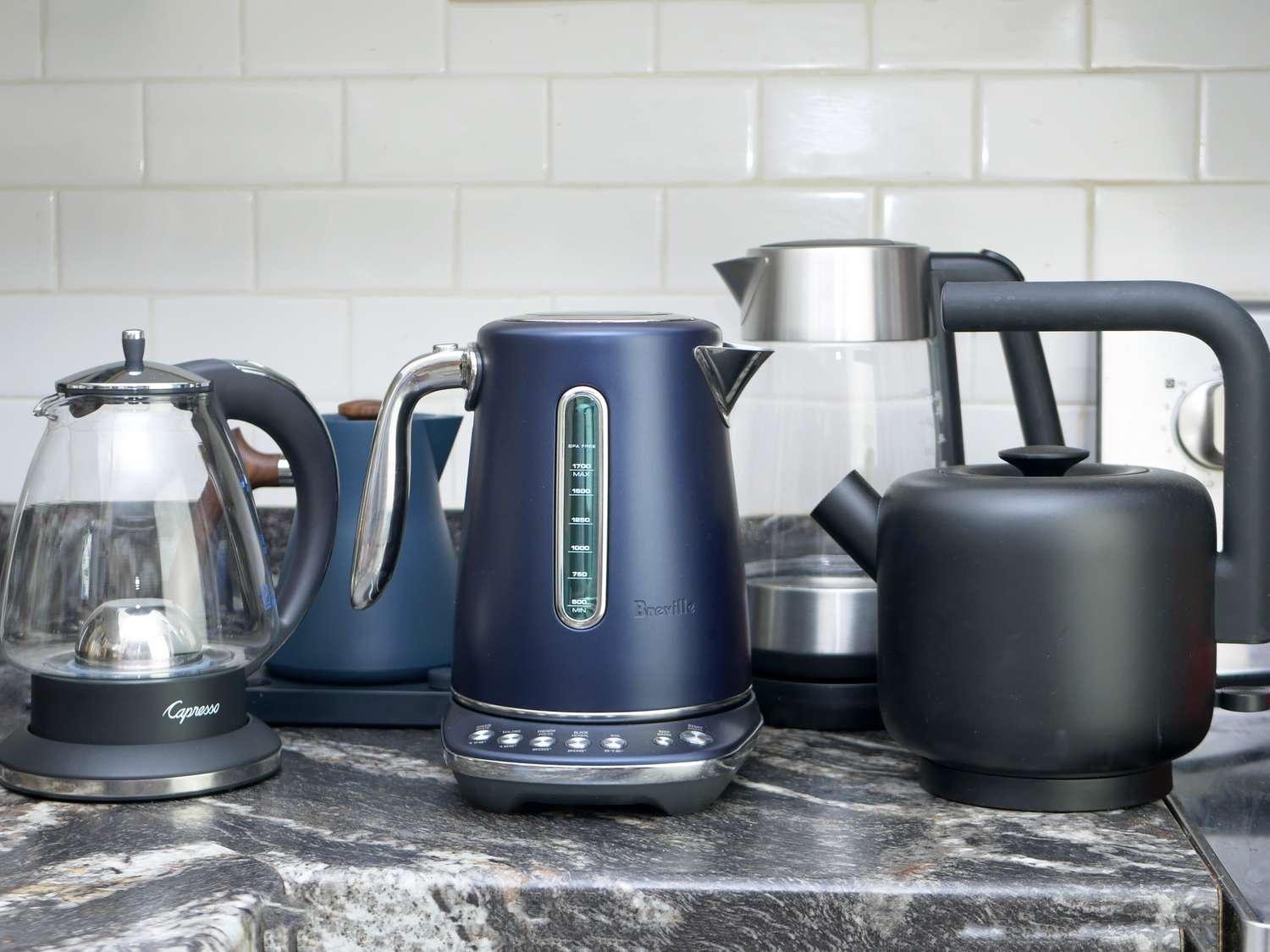
When you start to buy electric kettle online, you’ll immediately notice they come in all shapes and materials. This isn’t just about looks; the material directly impacts taste, durability, and even your health.
Material Matters: What’s Your Kettle Made Of?
- Stainless Steel: This is the workhorse of the kettle world. It’s durable, easy to clean, and doesn’t impart any unwanted flavors into your water. Look for “food-grade” or “304 stainless steel” for the best quality. They can get hot to the touch on the outside, so models with cool-touch or double-walled construction are a fantastic upgrade.
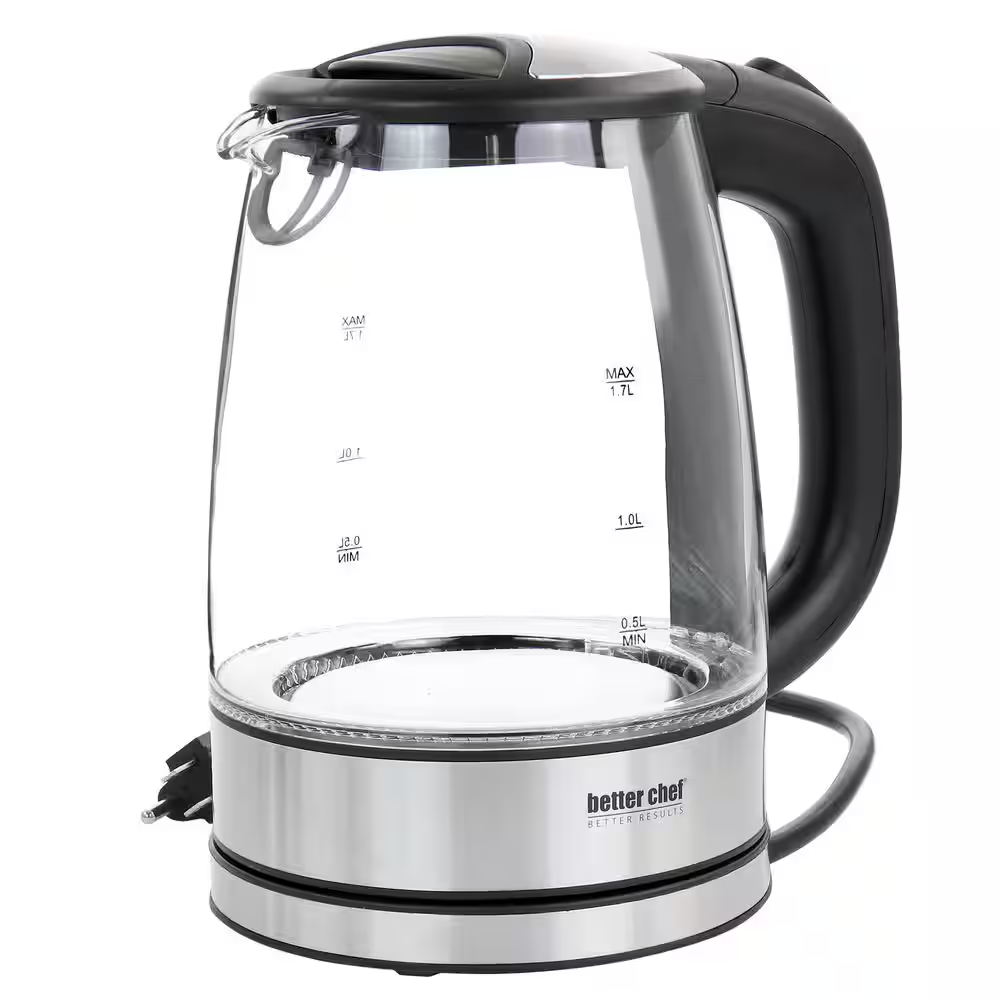
- Glass: There’s something mesmerizing about watching water boil in a glass kettle, often illuminated by a cool blue LED light. Glass is pure and won’t affect the taste of your water. The main downsides? They’re more fragile than steel and show mineral deposits (limescale) more easily, meaning you’ll need to clean them more regularly to keep them sparkling.
- Plastic: Plastic kettles are typically the most affordable and lightweight. However, this is where you need to be a savvy shopper. Always, always ensure the kettle is labeled “BPA-free.” Concerns about chemicals leaching from plastic into hot water are valid, so don’t compromise on this. Over time, plastic can also absorb odors or flavors.
- Ceramic: Less common but incredibly stylish, ceramic kettles are essentially electric teapots. They excel at heat retention but are the heaviest and most fragile of the bunch.
As home appliance engineer Dr. Eleanor Vance puts it, “While all modern kettles sold from reputable brands must meet safety standards, the consumer’s choice of material often comes down to a balance of aesthetics, longevity, and taste purity. Stainless steel offers the most robust, all-around performance, but the inert nature of borosilicate glass is unparalleled for the true purist.”
Style and Function: Standard vs. Gooseneck
Beyond material, you’ll see two main shapes:
- Standard Kettle: Your everyday, all-purpose kettle with a regular spout. Perfect for making tea, instant oatmeal, or filling a French press.
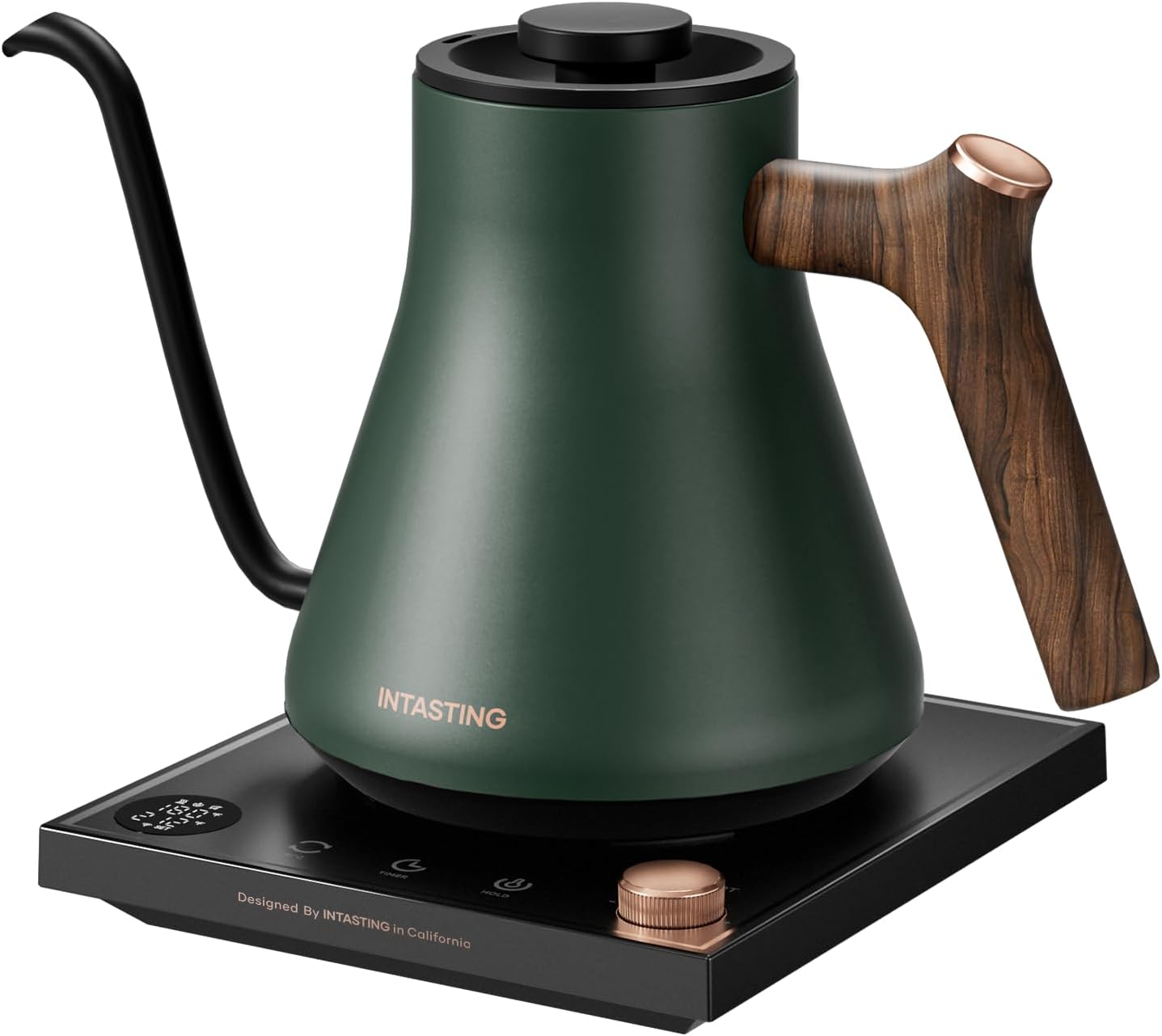
- Gooseneck Kettle: This kettle features a long, thin, curved spout, giving you incredible control over your pour. If you’re serious about pour-over coffee (like V60 or Chemex), a gooseneck is non-negotiable. It allows you to pour a slow, precise, and even stream of water over the coffee grounds, which is crucial for proper extraction.
Your Ultimate Checklist to Buy Electric Kettle Online
Alright, let’s get practical. When you’re scrolling through endless product pages, keep these key features in mind. This is your road map to finding the perfect kettle for your kitchen.
|
Our Picks for the Best Electric Kettle in 2026
As an Amazon Associate, we earn from qualifying purchases.
|
||
| Num | Product | Action |
|---|---|---|
| 1 | COMFEE\' Stainless Steel Electric Kettle, Temperature Control with 6 Presets, 1-Hr Keep Warm, Kettle Water Boiler 1.7 Litres, 1500W with Viewing Window, Auto-Off and Boil-Dry Protection |

|
| 2 | Electric Kettle 1.0L 1200W, 7 Temp Settings, 4H Keep-Warm, Fast-Boil Stainless Steel Electric Tea Kettle, 120V Water Boiler with Auto-Shut Off, Cool Touch PP Exterior for Home Office, Black |
|
| 3 | Amazon Basics Electric Stainless Steel Kettle for Tea and Coffee, BPA-Free, Fast Boiling, Auto Shut-Off, 1.1 Quarts, 1500W, Black and Silver |
|
| 4 | Chefman Electric Kettle with Temperature Control, 5 Presets LED Indicator Lights, Removable Tea Infuser, Glass Tea Kettle & Hot Water Boiler, 360° Swivel Base, BPA Free, Stainless Steel, 1.8 Liters |
|
| 5 | Cuisinart Soho 1 Liter Double Wall Electric Kettle, Truffle |
|
| 6 | Arofeer® 1.7L(57oz) Large Electric Kettle Temperature Control, 7+Cups Electric Tea Kettle for Coffee&Tea, 2 quarts Big Hot Water Kettle Electric with,1200W,Keep Warm-Black |
|
| 7 | Chefman Electric Kettle, 1.8L 1500W, Hot Water Boiler, Removable Lid for Easy Cleaning, Auto Shut Off, Boil-Dry Protection, Stainless Steel Filter, BPA Free, Borosilicate Glass Electric Tea Kettle |
|
| 8 | Cosori Electric Kettle, No Plastic Filter & Spout, 1.7L Tea Kettle & Hot Water Boiler For Coffee & Tea, Water Heater & Teapot, Automatic Shut Off, Borosilicate glass, Black, 1500W |
|
| 9 | Chefman Electric Kettle with Temperature Control, 5 Presets LED Indicator Lights, Removable Tea Infuser, Glass Tea Kettle & Hot Water Boiler, 360° Swivel Base, BPA Free, Stainless Steel, 1.8 Liters |
|
| 10 | Cuisinart 1.7-Liter Stainless Steel Cordless Electric Kettle with 6 Preset Temperatures |
|
1. Capacity: How Much Water Do You Need?
Kettle capacity is usually measured in liters or cups.
- 1 liter or less: Ideal for a single person or a small apartment.
- 1.5 to 1.7 liters: The most common size, perfect for families or making a few cups of tea at once.
- 1.8 liters or more: Great for large households, offices, or if you often entertain guests.
Pro-tip: Don’t buy a massive kettle if you usually only boil one or two cups. Consistently underfilling a large kettle can be less energy-efficient.
2. Speed (Wattage): How Fast Do You Want It?
A kettle’s speed is determined by its wattage. The higher the wattage, the faster it boils.
- 1000-1500 Watts: Standard speed. Boils a full kettle in about 4-6 minutes.
- 2000-3000 Watts: Rapid-boil territory. Can boil a full kettle in under 3 minutes. (Note: High-wattage kettles are more common in countries with 220-240V outlets, like the UK).
3. Temperature Control: Are You a Beverage Enthusiast?
This is a game-changer. Different teas and coffees taste best when brewed at specific temperatures. Boiling water (100°C / 212°F) can scorch delicate green teas or ruin the complex flavors in coffee.
- Basic Kettles: Boil to a set temperature and shut off.
- Variable Temperature Kettles: Allow you to select a specific temperature, often with presets for green tea, black tea, coffee, etc. This is a must-have for anyone who takes their hot beverages seriously.
4. Essential Safety Features
Safety should be your top priority when you buy electric kettle online. Look for these non-negotiable features:
- Automatic Shut-Off: The kettle turns itself off once the water reaches a boil.
- Boil-Dry Protection: The kettle detects when there’s no water inside and shuts off to prevent the heating element from burning out.
- Cool-Touch Exterior: A double-walled design or specific materials keep the outside of the kettle from getting dangerously hot.
- Sturdy, Heat-Resistant Handle: Ensures a safe and comfortable grip.
Keeping Your Kettle Happy: Cleaning and Maintenance
You’ve found the perfect kettle! Now, how do you keep it in tip-top shape? The biggest enemy is limescale—that chalky white buildup of mineral deposits, especially in hard water areas.
How to Descale Your Electric Kettle: A Simple Guide
- Create a Solution: Fill the kettle halfway with a 1:1 solution of white vinegar and water.
- Let it Sit: Let the solution sit in the kettle for at least an hour. For heavy buildup, you can let it sit overnight.
- Boil (Optional but effective): Bring the solution to a boil, then turn the kettle off and let it cool down completely.
- Rinse Thoroughly: Pour out the solution and rinse the inside of the kettle with fresh water several times to remove any lingering vinegar smell or taste.
- Final Boil: Fill the kettle with fresh water, boil it, and discard the water. Your kettle is now sparkling clean and ready to use!
Doing this every month or two will prolong the life of your kettle and ensure your water always tastes pure and fresh.
Frequently Asked Questions (FAQ)
1. What is the best material for an electric kettle?
For overall durability, performance, and taste neutrality, food-grade stainless steel is widely considered the best choice. Glass is an excellent alternative for taste purity, while BPA-free plastic is a good budget-friendly and lightweight option.
2. How often should I clean my electric kettle?
It’s best to descale your kettle every one to two months, or more frequently if you live in a hard water area and notice limescale building up quickly. A quick rinse after each use also helps maintain its cleanliness.
3. Is a variable temperature kettle worth the extra cost?
If you regularly drink different types of tea (especially green or white tea) or are into specialty coffee, a variable temperature kettle is absolutely worth it. It elevates your brewing experience and ensures you get the best flavor from your leaves or beans.
4. Can I put anything other than water in my electric kettle?
No, you should only ever put water in your electric kettle. Putting other liquids like milk, soup, or coffee inside can damage the heating element, create a hard-to-clean mess, and pose a significant fire hazard.
5. Why does my new electric kettle have a strange taste?
A plastic or metallic taste from a new kettle is common. It’s usually from manufacturing residues. To fix it, boil a full kettle of water and discard it. Repeat this process 2-3 times. You can also try boiling a vinegar-water solution, as described in the descaling guide, to neutralize any odors.
Your Perfect Brew Awaits
Choosing to buy electric kettle online doesn’t have to be a shot in the dark. By understanding the core features—from material and capacity to speed and temperature control—you’re no longer just a consumer; you’re an informed buyer. You’re equipped to find an appliance that not only meets your needs but also brings a little bit of joy and efficiency to your daily routine. Think of it as an investment in countless perfect cups of tea, coffee, and moments of calm. Now go find the one that’s right for you.