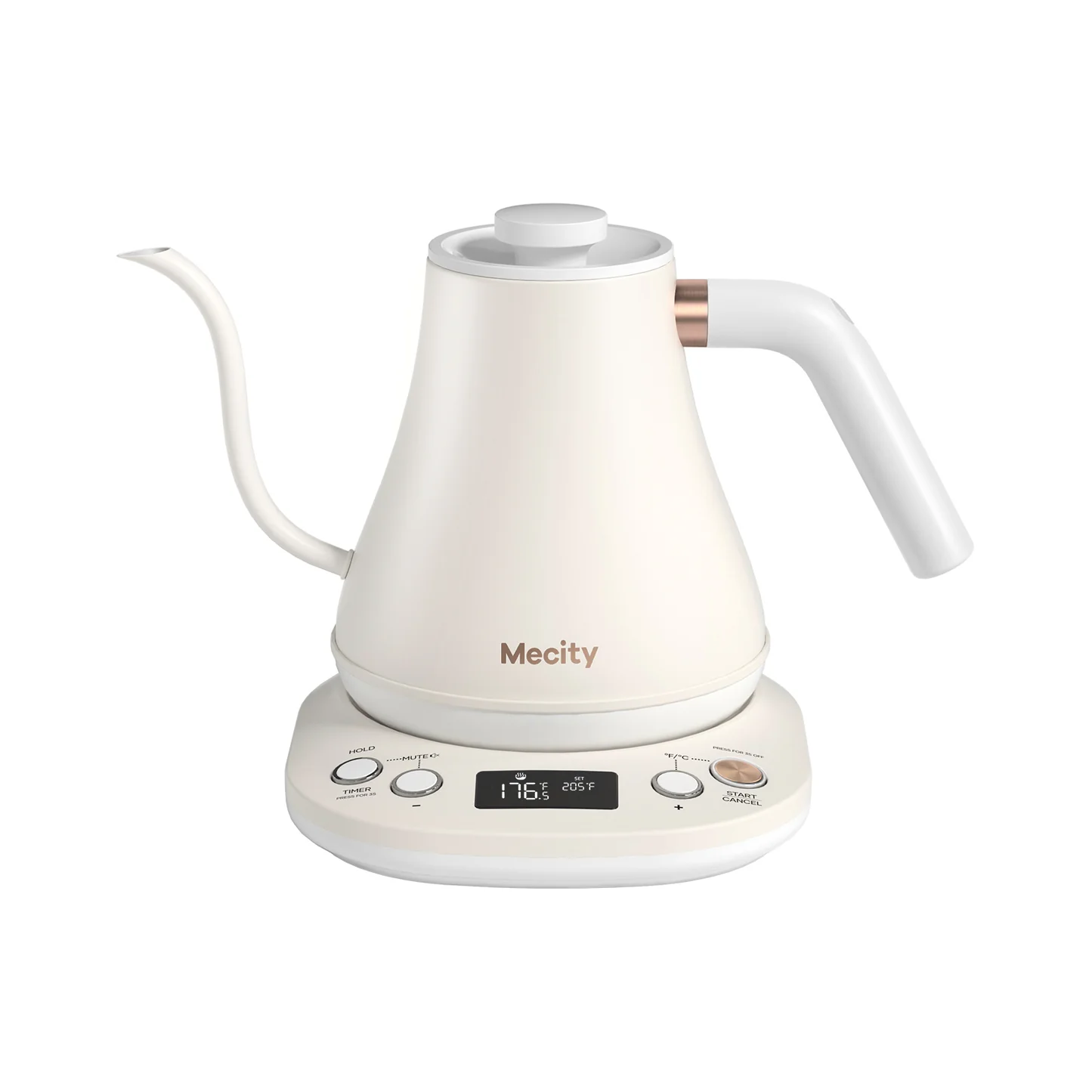
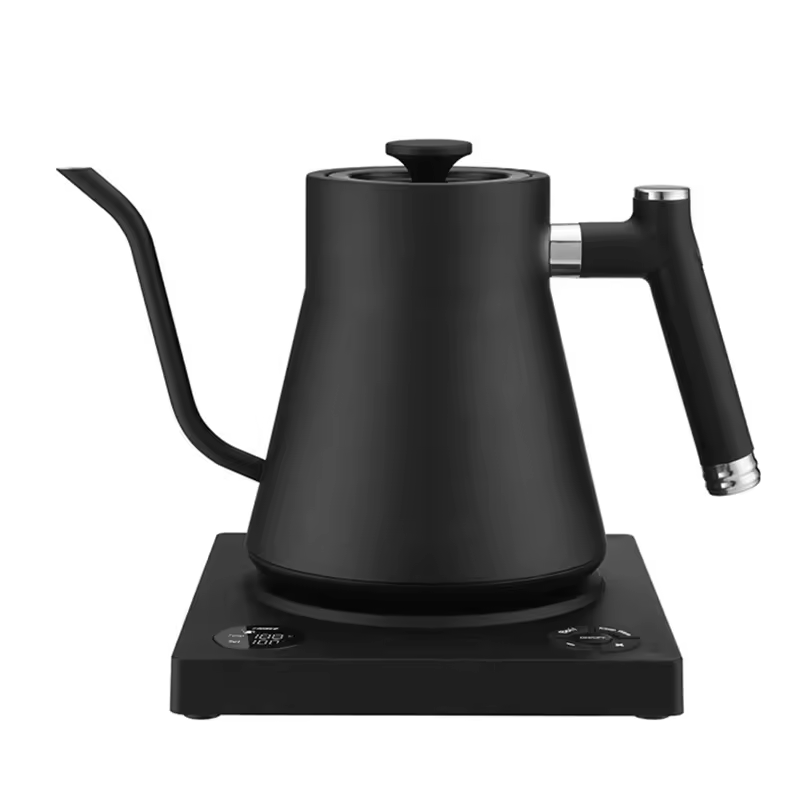
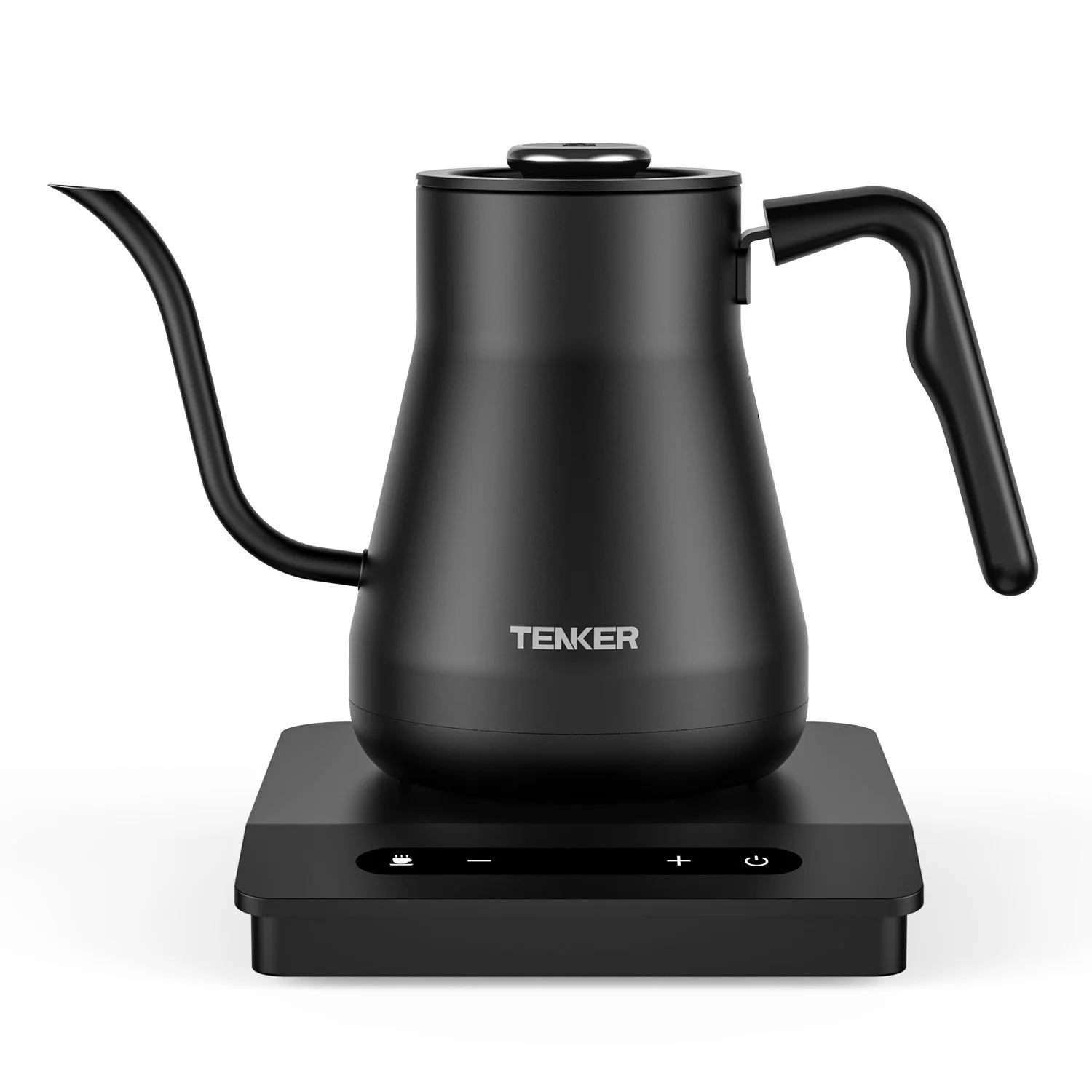
Hey there, ZoeMoore here from Electric Kettle Tea. Let’s talk about something we’ve all experienced: the frustration of a beloved appliance giving up the ghost way too soon. When it comes to your daily cuppa, the last thing you want is an unreliable kettle. That’s why today, we’re diving deep into the world of the Electric Kettle Long Term Test. Forget shiny first impressions and out-of-the-box reviews. We’re talking about what really matters: how these workhorses perform after months, and even years, of daily use. This is about finding a kettle that becomes a trusted part of your morning ritual, not a piece of e-waste.
For those of you who appreciate the finer details in kitchen gadgets, understanding the latest in product aesthetics can be just as important as performance. Interestingly, many of the latest electric kettle design trends focus not only on looks but also on incorporating materials and forms that enhance durability, making them more suitable for a long-term commitment.
Why a Standard Review Just Doesn’t Cut It
Most reviews you see online are based on a few days or, at best, a few weeks of use. They’ll tell you if a kettle is fast, if it looks good on the counter, and if the handle is comfy. That’s all great, but it tells you nothing about its staying power. An electric kettle long term test is different. It’s designed to simulate real life. It pushes past the honeymoon phase to reveal the truth about a product’s construction, material quality, and overall reliability.
We look for the subtle signs of aging:
- Does the lid mechanism start to feel flimsy?
- Does the auto-shutoff feature become less reliable?
- Do plastic components begin to discolor or crack?
- How does the heating element stand up to limescale?
These are the questions that separate a one-year wonder from a ten-year titan.
The Core Components of an Electric Kettle Long Term Test
When we put a kettle through its paces for the long haul, we’re not just boiling water. We’re scrutinizing every aspect of its being. Here’s a peek behind the curtain at what we focus on.
Material Mettle: How Do They Age?
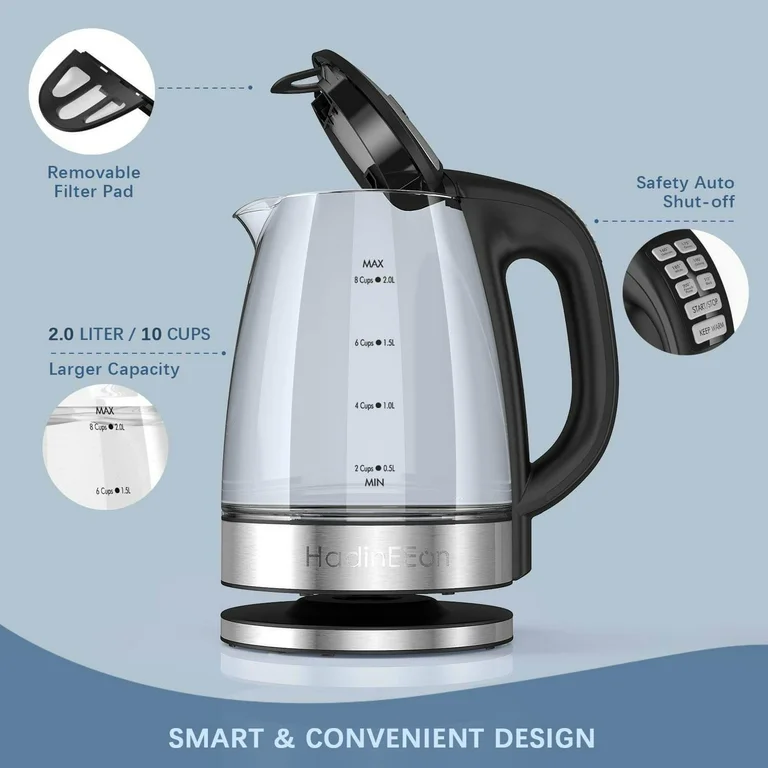
The material your kettle is made from is arguably the biggest factor in its longevity. Each has its own set of long-term quirks.
- Stainless Steel: Often hailed as the king of durability, but not all steel is created equal. We look for high-grade 304 or 316 stainless steel. Over time, cheaper grades can develop tiny rust spots, especially around seams or the base. A good stainless kettle should look almost as good in year five as it did on day one, minus a few superficial scratches.
- Glass (Borosilicate): Stunning to look at, and it won’t impart any flavor to your water. The long-term test for glass is twofold. First, its resistance to thermal shock—repeated heating and cooling. Second, its clarity. Hard water can cause a cloudy film that’s tough to remove, permanently dulling its sparkle if not maintained.
- Plastic (BPA-Free): The most affordable option, but often the one with the shortest lifespan. In a long-term test, we watch for discoloration (especially in white or light-colored models), potential warping near the heating element, and the dreaded development of micro-cracks, which can compromise the kettle’s integrity.
Performance Under Pressure: Speed and Accuracy
A brand-new kettle might boil a liter of water in under three minutes. But what about after 500 boils? Or 1,000?
A key part of our electric kettle long term test is timing the boil speed at regular intervals. A significant increase in boiling time is often the first sign that limescale is building up on the heating element, forcing it to work harder and consuming more energy. For variable temperature kettles, we also test the thermostat’s accuracy over time. A kettle that can no longer reliably hit 80°C for your delicate green tea has lost its primary function.
|
Our Picks for the Best Electric Kettle in 2026
As an Amazon Associate, we earn from qualifying purchases.
|
||
| Num | Product | Action |
|---|---|---|
| 1 | Chefman Electric Kettle with Temperature Control, 5 Presets LED Indicator Lights, Removable Tea Infuser, Glass Tea Kettle & Hot Water Boiler, 360° Swivel Base, BPA Free, Stainless Steel, 1.8 Liters |

|
| 2 | Chefman Electric Kettle, 1.8L 1500W, Hot Water Boiler, Removable Lid for Easy Cleaning, Auto Shut Off, Boil-Dry Protection, Stainless Steel Filter, BPA Free, Borosilicate Glass Electric Tea Kettle |
|
| 3 | Chefman Electric Kettle with Temperature Control, 5 Presets LED Indicator Lights, Removable Tea Infuser, Glass Tea Kettle & Hot Water Boiler, 360° Swivel Base, BPA Free, Stainless Steel, 1.8 Liters |
|
| 4 | Cuisinart Soho 1 Liter Double Wall Electric Kettle, Truffle |
|
| 5 | Cuisinart 1.7-Liter Stainless Steel Cordless Electric Kettle with 6 Preset Temperatures |
|
| 6 | Amazon Basics Electric Stainless Steel Kettle for Tea and Coffee, BPA-Free, Fast Boiling, Auto Shut-Off, 1.1 Quarts, 1500W, Black and Silver |
|
| 7 | Arofeer® 1.7L(57oz) Large Electric Kettle Temperature Control, 7+Cups Electric Tea Kettle for Coffee&Tea, 2 quarts Big Hot Water Kettle Electric with,1200W,Keep Warm-Black |
|
| 8 | COMFEE\' Stainless Steel Electric Kettle, Temperature Control with 6 Presets, 1-Hr Keep Warm, Kettle Water Boiler 1.7 Litres, 1500W with Viewing Window, Auto-Off and Boil-Dry Protection |
|
| 9 | Electric Kettle 1.0L 1200W, 7 Temp Settings, 4H Keep-Warm, Fast-Boil Stainless Steel Electric Tea Kettle, 120V Water Boiler with Auto-Shut Off, Cool Touch PP Exterior for Home Office, Black |
|
| 10 | Cosori Electric Kettle, No Plastic Filter & Spout, 1.7L Tea Kettle & Hot Water Boiler For Coffee & Tea, Water Heater & Teapot, Automatic Shut Off, Borosilicate glass, Black, 1500W |
|
The Silent Killers: Wear & Tear on Moving Parts
It’s often not the main body that fails, but the smaller, seemingly insignificant parts.
- The Lid: Hinge mechanisms are a major point of failure. We open and close the lid thousands of times to see if it becomes loose, misaligned, or if the spring mechanism fails.
- The Switch: The on/off switch is used every single day. We’re looking for a crisp, responsive action that doesn’t get “mushy” or unresponsive over time.
- The Base Connector: The 360-degree swivel base is a modern convenience, but the electrical contacts can wear down. We test to see if the connection remains solid or if it becomes finicky, requiring a “jiggle” to get it to work.
As product engineer Dr. Alistair Finch notes, “Consumers are often captivated by heating speed and capacity, but it’s the mechanical components—the lid hinge and the power switch—that are subjected to the most cycles. In long-term testing, these are frequently the first points of failure in less robustly designed products.”
How Can You Choose a Kettle That Will Last?
So, how do you apply the principles of an electric kettle long term test to your own shopping? You don’t need a lab, just a keen eye.
- Feel the Weight: A heavier kettle often, though not always, indicates thicker gauge materials and a more robust construction.
- Examine the Lid: Open and close it. Does the hinge feel solid or flimsy? Is it a simple, sturdy mechanism or a complex one with many small plastic parts that could break?
- Check the Interior: Look for a seamless stainless steel interior. Fewer seams and plastic parts inside mean fewer places for limescale to hide and fewer potential points of failure.
- Read User Reviews Critically: Skim past the “I just got it and I love it!” reviews. Look for reviews from people who have owned the product for a year or more. They are the real long-term testers. Search for terms like “stopped working,” “leaking,” or “rust.”
- Look at the Warranty: A one-year warranty is standard. Anything longer than that shows the manufacturer has greater confidence in their product’s longevity.
Extending Your Kettle’s Life: Maintenance is Key
Even the best-built kettle will fail prematurely without a little TLC. The single most important thing you can do to ensure it passes its own personal electric kettle long term test is regular cleaning.
The Descaling Ritual: Your Kettle’s Best Friend
Limescale is the arch-nemesis of any electric kettle. This chalky deposit, made of calcium and magnesium from hard water, coats the heating element, making it less efficient and eventually causing it to burn out.
How to Descale Your Kettle (The Easy Way):
- Fill the kettle halfway with a 1:1 solution of white vinegar and water.
- Bring it to a boil.
- Let the hot solution sit in the kettle for at least 30 minutes (or a few hours for heavy buildup).
- Pour out the solution and rinse the kettle thoroughly with fresh water 2-3 times to remove any vinegar taste.
- Boil a full kettle of fresh water and discard it as a final rinse.
- Voila! Good as new. Do this every 1-3 months, depending on your water hardness.
Frequently Asked Questions (FAQ)
What is the average lifespan of an electric kettle?
The average lifespan is typically 3 to 5 years. However, a high-quality, well-maintained kettle can easily last for 10 years or more. A rigorous electric kettle long term test helps identify models that are likely to reach or exceed that upper range.
Is a more expensive kettle always more durable?
Not necessarily. While higher prices often correlate with better materials and construction (like a full stainless steel body vs. plastic), some expensive models have complex electronics that can be another point of failure. Durability is more about smart design and quality components than price alone.
Can I use lemon juice instead of vinegar to descale?
Yes, you can! Citric acid is also very effective at breaking down limescale. Use the juice of one large lemon or a couple of tablespoons of citric acid powder dissolved in water, and follow the same boiling and rinsing process.
Why is my stainless steel kettle getting rust spots?
This is usually “tea staining” or small pits in a lower-grade stainless steel. True high-grade stainless steel is highly resistant to rust. To prevent this, never leave water sitting in your kettle for extended periods and ensure it’s fully dry if you’re storing it.
Is it safe to keep using a kettle that doesn’t switch off automatically?
Absolutely not. This is a serious fire and safety hazard. The automatic shutoff is a critical safety feature. If it fails, the kettle should be replaced immediately. This is one of the key pass/fail criteria in any electric kettle long term test.
The Final Word on Long-Term Value
Choosing an electric kettle isn’t just about buying an appliance; it’s about investing in your daily routine. By thinking like a product tester and considering the long-term implications of material, design, and maintenance, you move beyond the marketing hype. An electric kettle long term test reveals that true value lies not in flashy features, but in quiet, consistent, and reliable performance, day after day. So, choose wisely, care for it properly, and your kettle will reward you with thousands of perfect cups for years to come.