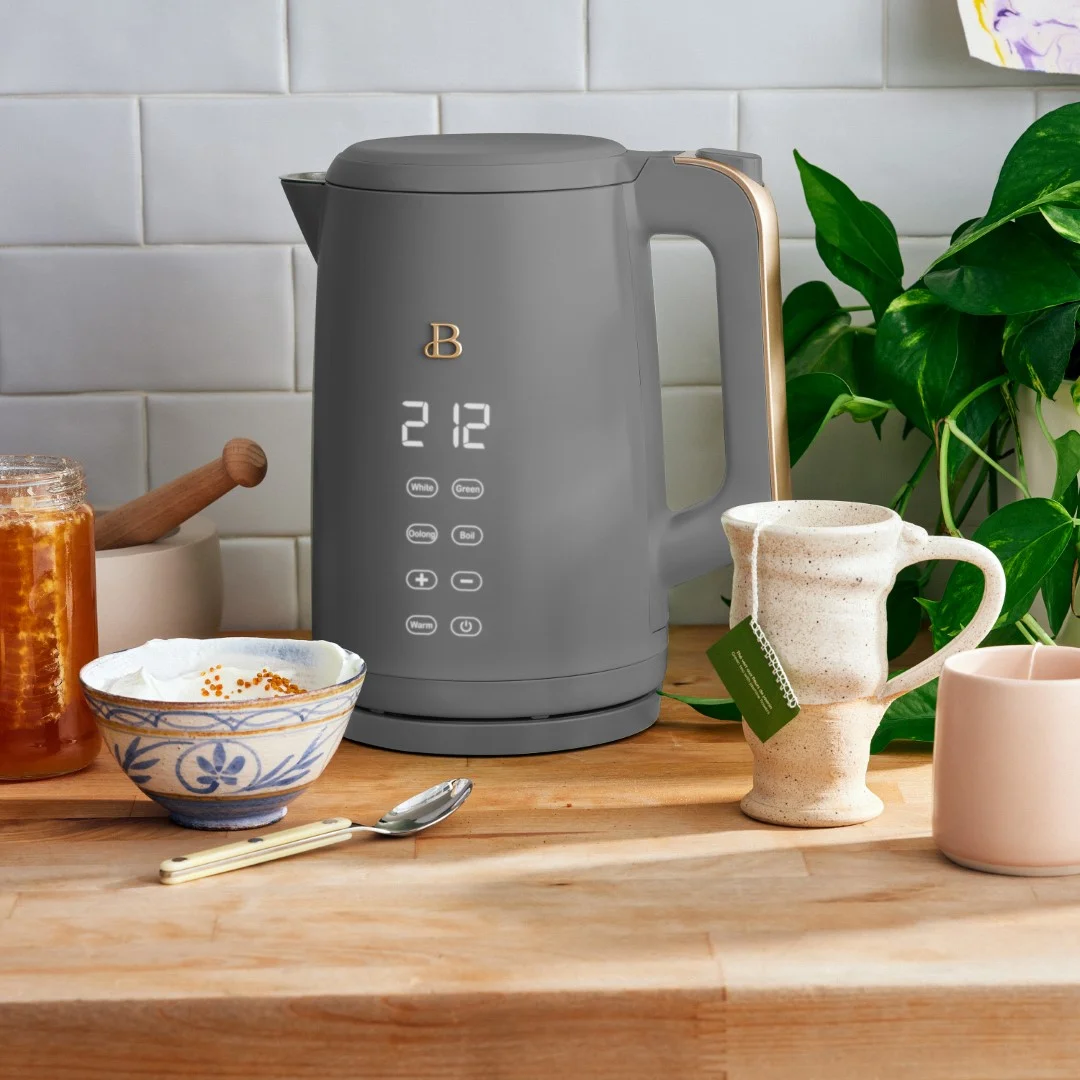
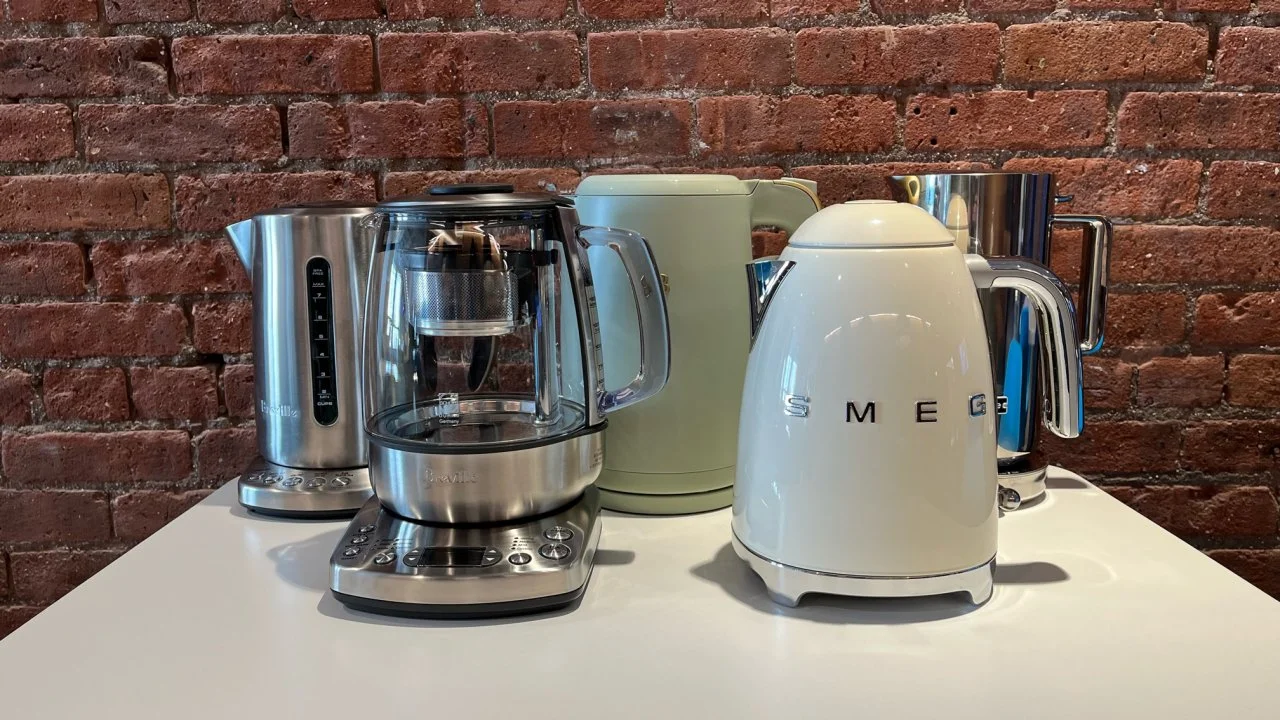
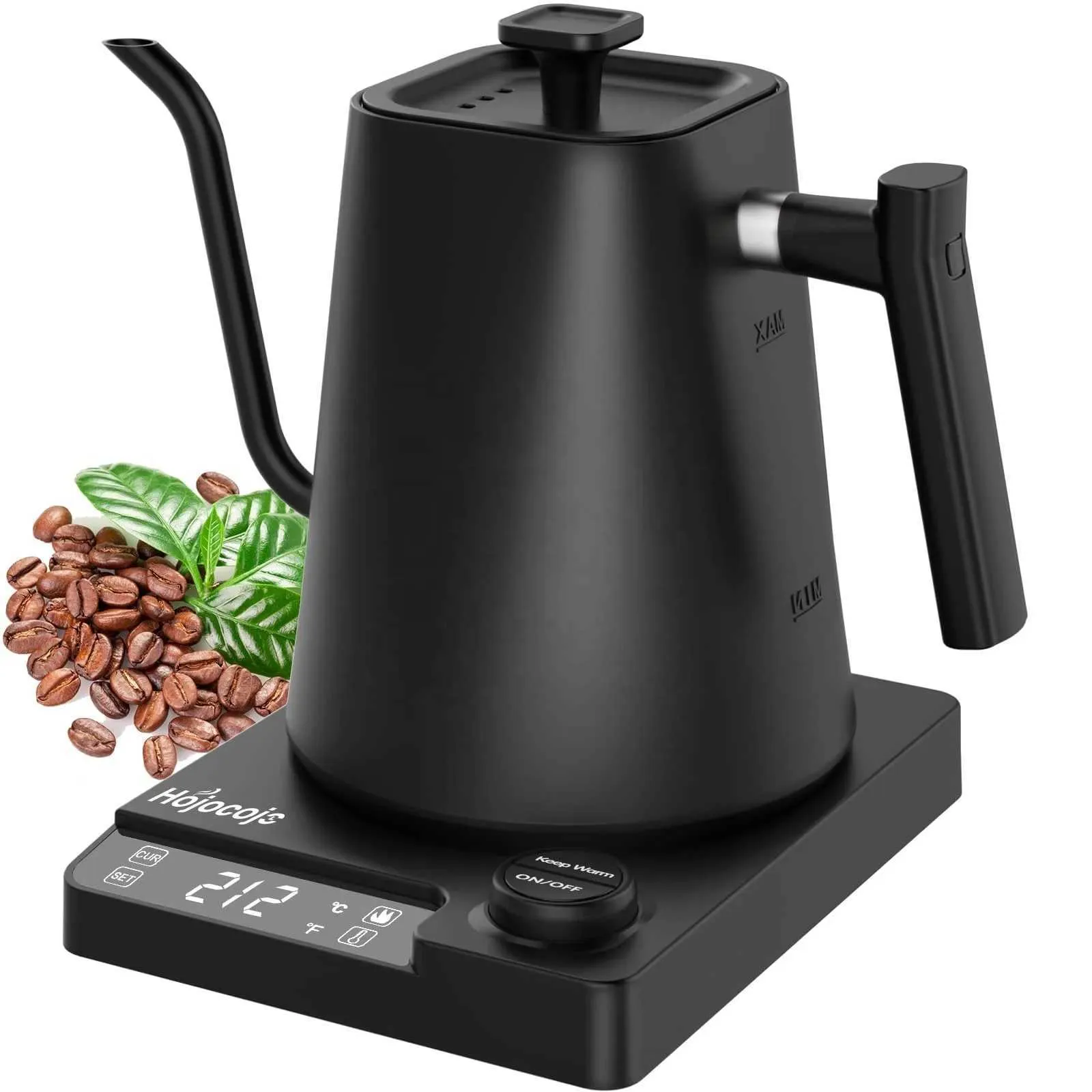
Hello there, Zoe Moore here from Electric Kettle Tea! Let’s talk about something we all face: that chalky, white buildup at the bottom of our beloved kettles. While descaling is essential, many of us are looking for a guide on How To Clean Electric Kettle Without Vinegar. Maybe you can’t stand the pungent smell, or perhaps you’ve run out. Whatever the reason, you’re in the right place. I’m going to walk you through some brilliant, odor-free methods to get your kettle sparkling clean and your water tasting pure again. A clean kettle is not just about looks; it’s about performance and taste, and keeping it in top shape is easier than you think. For many, a kettle is a daily essential, especially when you need to know how to use kettle for baby formula safely and hygienically.
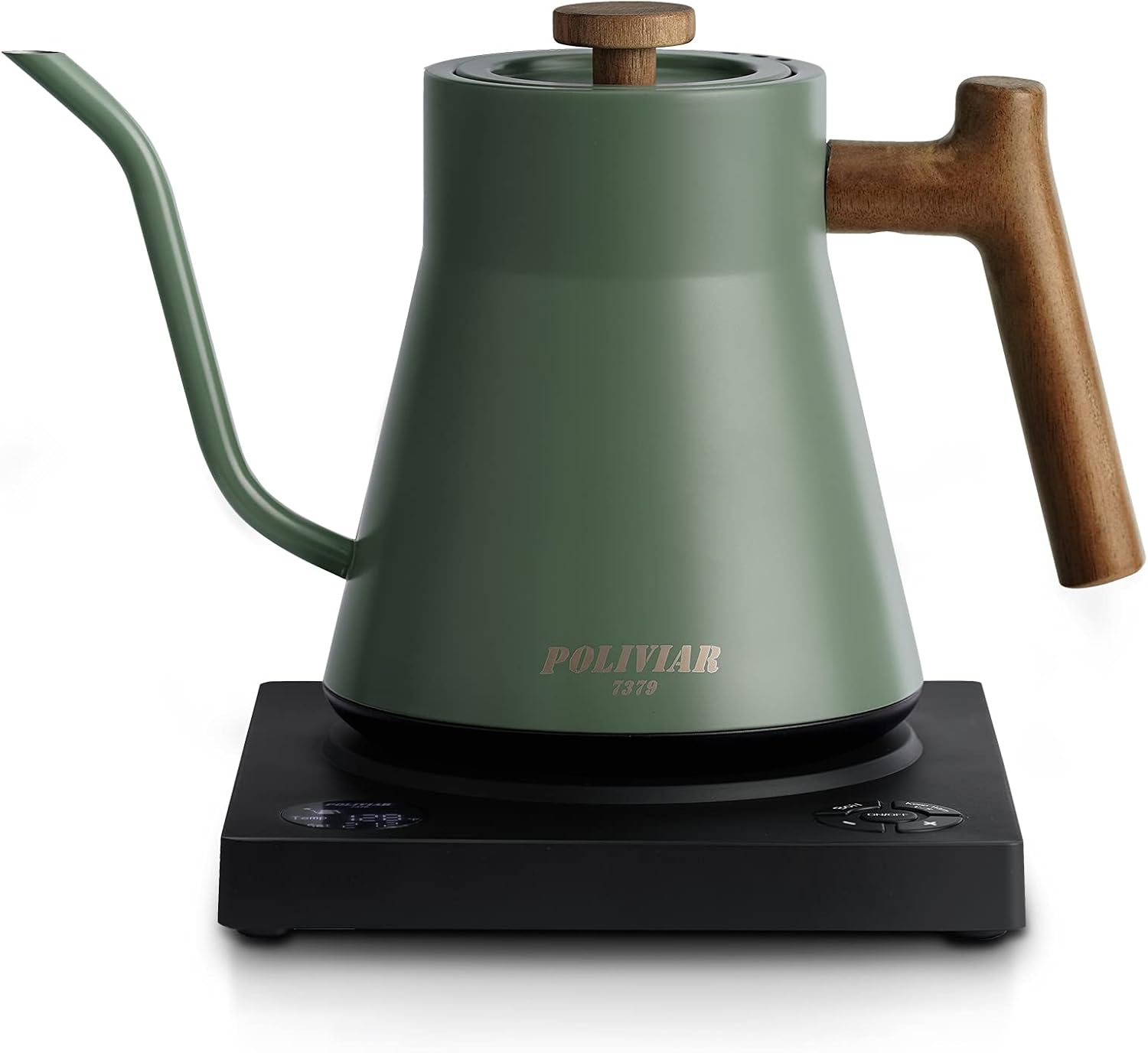
Why Does My Kettle Get So Grimy Inside?
Before we dive into the “how,” let’s quickly touch on the “why.” That crusty stuff is limescale, a deposit of calcium carbonate left behind when hard water is boiled. It’s harmless to drink, but it’s not doing your kettle any favors.
- It slows down boiling: Limescale acts as an insulator on the heating element, forcing it to work harder and use more energy.
- It affects the taste: Those flaky bits can end up in your morning coffee or tea, which is less than ideal.
- It shortens your kettle’s life: Over time, a thick layer of limescale can cause the element to overheat and fail.
Regular cleaning is the secret to a long-lasting and efficient kettle. It’s a fundamental part of maintenance, much like understanding how to prevent rust in kettle from forming in the first place.
How to Clean Electric Kettle Without Vinegar: The Top 3 Methods
Alright, let’s get down to business. I’ve tested countless methods over the years, and these are my three go-to, vinegar-free solutions. They are simple, effective, and use ingredients you probably already have in your kitchen.
Method 1: The Lemon Juice Lifesaver
This is my personal favorite. It’s incredibly effective and leaves your kitchen smelling wonderfully fresh. Lemons contain citric acid, which is a fantastic natural descaler that works by dissolving the calcium carbonate. You can use fresh lemons or bottled lemon juice.
Here’s the step-by-step guide:
- Create your solution: Fill the kettle about halfway with water. Squeeze the juice of one whole lemon into the kettle. If you’re using bottled juice, about 3-4 tablespoons will do. You can even toss the lemon halves in for extra potency.
- Let it sit (optional but recommended): If you have time, let the lemon water sit in the kettle for about an hour. This gives the citric acid a head start on breaking down the limescale.
- Boil the kettle: Bring the mixture to a boil. As it heats up, you’ll see the limescale start to fizz and lift away from the surfaces. It’s quite satisfying to watch!
- Cool and rinse: Once the cycle is finished, unplug the kettle and let the hot water cool down for about 15-20 minutes. Pour out the water and give the inside a good rinse with fresh, cold water.
- Wipe and dry: For any stubborn spots, use a soft cloth or a non-abrasive sponge to wipe them away. They should come off easily. Rinse again and you’re done!
Zoe’s Pro Tip: “If the limescale is particularly thick, I recommend running a second cycle with just plain water and boiling it. This ensures any lingering lemony taste is completely gone before you make your next cup of tea.”
Method 2: The Baking Soda Power-Scrub
Baking soda (or bicarbonate of soda) is a gentle abrasive and a natural cleaning agent. While it’s not an acid and won’t dissolve limescale in the same way, it’s brilliant for scrubbing away lighter buildup and neutralizing odors. It’s particularly effective on stainless steel kettles.
Here’s how to do it:
- Add the baking soda: Put one or two teaspoons of baking soda into your empty kettle.
- Add water: Fill the kettle with water, about halfway to three-quarters full.
- Boil the solution: Switch the kettle on and let it come to a full boil.
- Let it soak: After it boils, let the solution sit in the kettle for at least 20-30 minutes. The longer, the better for tougher stains.
- Scrub and rinse: Pour out the water. Use a soft sponge or cloth to gently scrub the inside. The baking soda provides a mild abrasive action that helps lift the softened scale. Rinse thoroughly with clean water a few times to remove all baking soda residue.
This method is also a great first step if you’re troubleshooting bigger problems. Sometimes, a faulty heating element is just an element caked in limescale, which can lead to wondering how to fix kettle not heating properly.
|
Our Picks for the Best Electric Kettle in 2026
As an Amazon Associate, we earn from qualifying purchases.
|
||
| Num | Product | Action |
|---|---|---|
| 1 | Cuisinart Soho 1 Liter Double Wall Electric Kettle, Truffle |

|
| 2 | Electric Kettle 1.0L 1200W, 7 Temp Settings, 4H Keep-Warm, Fast-Boil Stainless Steel Electric Tea Kettle, 120V Water Boiler with Auto-Shut Off, Cool Touch PP Exterior for Home Office, Black |
|
| 3 | Arofeer® 1.7L(57oz) Large Electric Kettle Temperature Control, 7+Cups Electric Tea Kettle for Coffee&Tea, 2 quarts Big Hot Water Kettle Electric with,1200W,Keep Warm-Black |
|
| 4 | Chefman Electric Kettle with Temperature Control, 5 Presets LED Indicator Lights, Removable Tea Infuser, Glass Tea Kettle & Hot Water Boiler, 360° Swivel Base, BPA Free, Stainless Steel, 1.8 Liters |
|
| 5 | Cuisinart 1.7-Liter Stainless Steel Cordless Electric Kettle with 6 Preset Temperatures |
|
| 6 | COMFEE\' Stainless Steel Electric Kettle, Temperature Control with 6 Presets, 1-Hr Keep Warm, Kettle Water Boiler 1.7 Litres, 1500W with Viewing Window, Auto-Off and Boil-Dry Protection |
|
| 7 | Chefman Electric Kettle with Temperature Control, 5 Presets LED Indicator Lights, Removable Tea Infuser, Glass Tea Kettle & Hot Water Boiler, 360° Swivel Base, BPA Free, Stainless Steel, 1.8 Liters |
|
| 8 | Cosori Electric Kettle, No Plastic Filter & Spout, 1.7L Tea Kettle & Hot Water Boiler For Coffee & Tea, Water Heater & Teapot, Automatic Shut Off, Borosilicate glass, Black, 1500W |
|
| 9 | Amazon Basics Electric Stainless Steel Kettle for Tea and Coffee, BPA-Free, Fast Boiling, Auto Shut-Off, 1.1 Quarts, 1500W, Black and Silver |
|
| 10 | Chefman Electric Kettle, 1.8L 1500W, Hot Water Boiler, Removable Lid for Easy Cleaning, Auto Shut Off, Boil-Dry Protection, Stainless Steel Filter, BPA Free, Borosilicate Glass Electric Tea Kettle |
|
Method 3: Using a Commercial Kettle Descaler
Sometimes, you need to bring in the big guns, especially if you live in a very hard water area and the limescale has become a fortress. Commercial descalers are specifically formulated to tackle heavy mineral buildup safely and efficiently.
As Dr. Alistair Finch, a materials scientist specializing in kitchen appliances, notes, “Commercial descalers often use a blend of acids, like citric or sulfamic acid, which are highly effective at dissolving mineral deposits without being overly corrosive to the kettle’s internal components when used as directed.”
How to use a dedicated descaler:
- Read the instructions: This is the most crucial step! Every brand is slightly different, so always follow the manufacturer’s directions for the correct water-to-descaler ratio.
- Mix and fill: Add the descaler to the kettle and fill it with the specified amount of water.
- Activate the solution: Some descalers work with cold water, while others require you to boil the kettle. Follow the instructions on the package.
- Rinse thoroughly: This is extremely important. After the descaler has worked its magic, you’ll need to rinse the kettle multiple times (usually 3-4 rinses) with fresh water to ensure no chemical residue is left behind.
- Do a final boil: I always recommend boiling a full kettle of fresh water and discarding it as a final safety measure. This is a non-negotiable step, especially if the kettle is a shared appliance, like when figuring out the best way for how to use kettle in dorm room with roommates.
Keeping Your Kettle Clean and Happy
Now that your kettle is sparkling, how do you keep it that way? Prevention is always better than a cure.
- Use filtered water: If possible, using filtered or bottled water will dramatically reduce the amount of mineral buildup.
- Don’t let water sit: Empty your kettle after each use. Standing water is the primary cause of limescale deposits.
- Clean regularly: A quick clean once a month is far easier than a heavy-duty descaling session every six months.
Regular maintenance not only keeps your kettle clean but can also prevent more serious issues. Often, when people search for solutions like how to fix kettle not turning on, the root cause can be traced back to a lack of basic cleaning, which can damage the internal contacts over time.
Frequently Asked Questions (FAQ)
Can I use Coca-Cola to clean my kettle?
While the phosphoric acid in Coke can technically break down some limescale, I don’t recommend it. It’s sticky, sugary, and can leave a residue that’s difficult to clean. Stick to lemon juice or baking soda for a cleaner result.
How often should I descale my electric kettle?
This depends on your water hardness. In a hard water area, aim for once every month. In a soft water area, once every two to three months should be sufficient.
Is it safe to use baking soda in any type of kettle?
Yes, baking soda is gentle and safe for all common kettle materials, including stainless steel, glass, and plastic. Just be sure to rinse it out thoroughly.
Will lemon juice leave a taste in my water?
If you rinse the kettle properly and do a final boil with fresh water, there should be no lingering taste. In fact, it often leaves a fresher scent than vinegar does!
What if these methods don’t remove all the limescale?
If you have extremely stubborn limescale, you may need to repeat the process or let the solution soak for a longer period, even overnight (with the kettle unplugged, of course). If that fails, a commercial descaler is your best bet.
A Sparkling Finish
There you have it—a complete guide on how to clean electric kettle without vinegar. Whether you choose the zesty freshness of lemon, the gentle power of baking soda, or the targeted strength of a commercial descaler, you now have the tools to keep your kettle in pristine condition. A clean kettle is a happy kettle, boiling water faster, tasting better, and lasting longer. So go on, give your trusty appliance the little spa day it deserves. You’ll be rewarded with the perfect cup, every single time.