Let’s be honest, we’ve all been there. You buy a beautiful, promising bag of green tea, eager for that delicate, grassy flavor everyone raves about. You fire up your kettle, pour the boiling water over the leaves, and… you get a cup of bitter, astringent disappointment. If this sounds familiar, I’m here to tell you it’s not the tea’s fault, and it’s not your fault either. The secret to a perfect cup lies in understanding how to use a kettle for green tea the right way, and it’s simpler than you think. It’s all about temperature.
I remember my first forays into the world of quality tea. I treated it just like my usual black tea bags—hit it with the hottest water possible. The result was consistently harsh. It wasn’t until I started my journey here at Electric Kettle Tea that the lightbulb went on. Green tea leaves are far more delicate than their black tea cousins. Hitting them with boiling water is like using a blowtorch to light a candle; it scorches them, releasing bitter-tasting compounds called tannins. The goal is to gently coax the flavor out, not shock it out. For those just starting their journey, perhaps in a smaller space, understanding the basics of kettle usage is key, much like learning how to use kettle in dorm room safely and effectively.
Why Temperature is the Secret Ingredient
The single most important factor in brewing green tea is water temperature. Boiling water (100°C or 212°F) is simply too hot. It burns the delicate leaves, destroying the complex, sweet, and vegetal notes you’re supposed to taste.
“Think of green tea leaves like delicate herbs. You wouldn’t blast basil with a flame thrower to get its flavor, and the same principle applies here. The ideal temperature range allows the desirable flavor compounds to dissolve gracefully into the water, while leaving the bitter ones behind in the leaf.”
The sweet spot for most green teas is between 70°C and 85°C (160°F and 185°F). This lower temperature is gentle enough to extract the subtle sweetness and umami flavors without scalding the leaves and releasing excessive tannins. This is where the right electric kettle transforms from a simple water boiler into a precision brewing tool.
Choosing Your Weapon: The Right Kettle for the Job
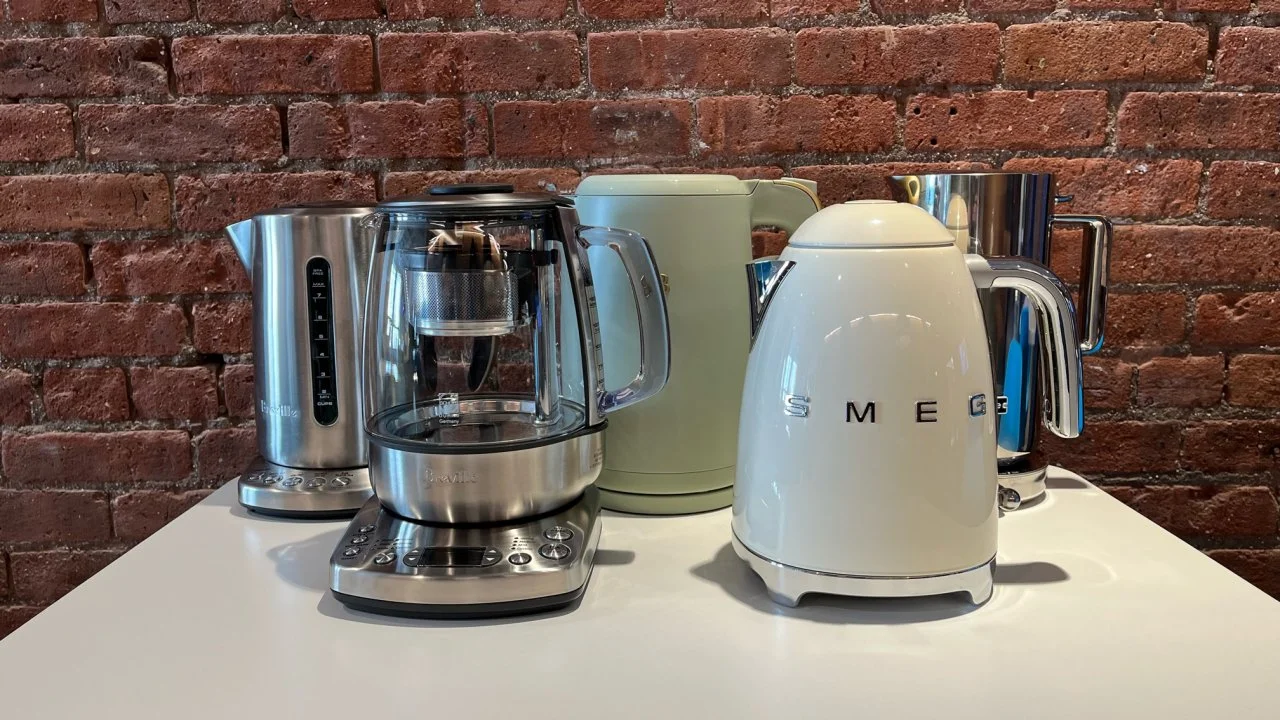
Not all kettles are created equal, especially when it comes to the nuanced art of tea brewing. Your choice of kettle can genuinely make or break your green tea experience.
The Basic, Standard Kettle
This is the workhorse of most kitchens. It has one job: boil water. It’s fast, efficient, and gets the job done. While you can use it for green tea, it requires an extra step and a bit of guesswork, which we’ll cover in a moment.
The Game-Changer: The Variable Temperature Kettle
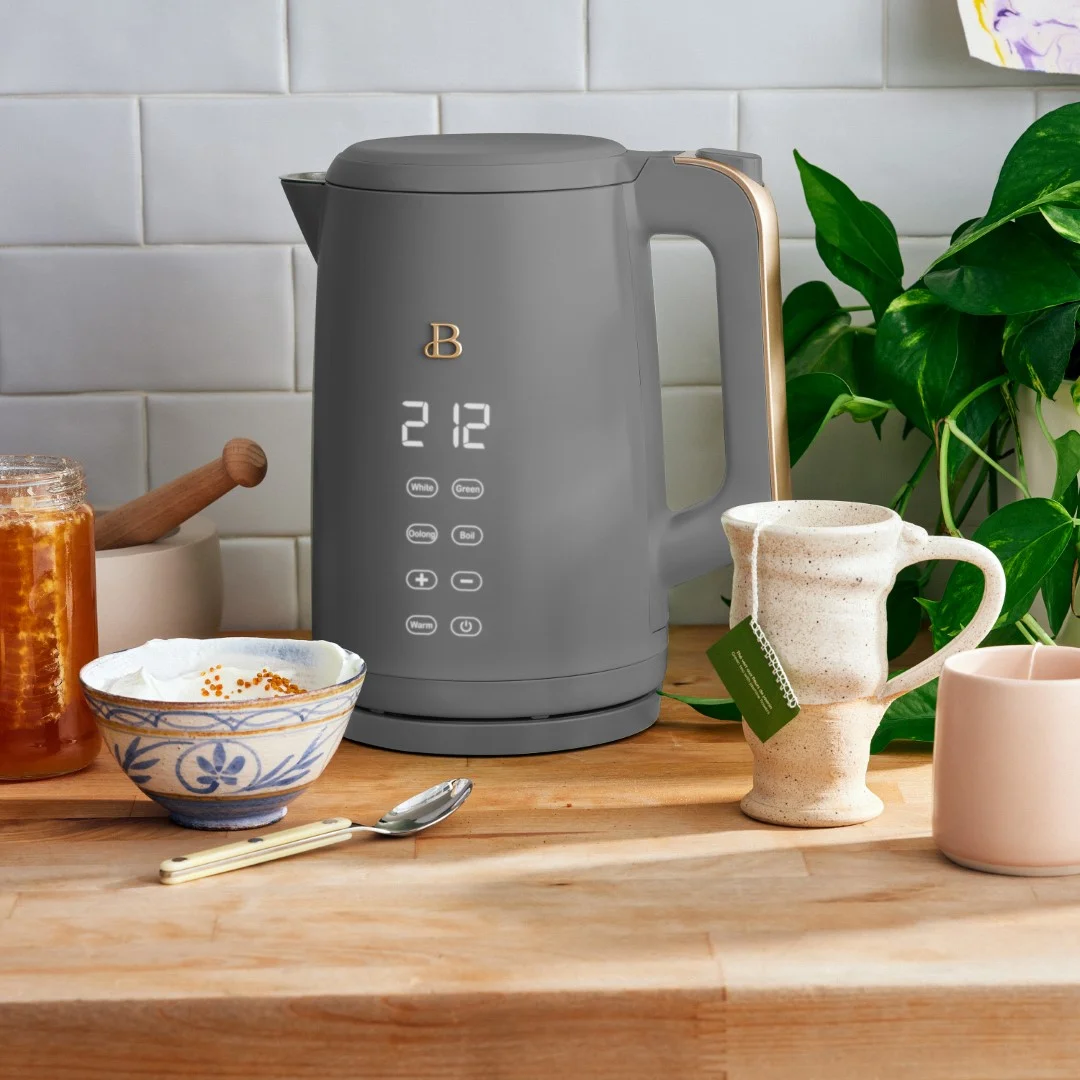
This is the holy grail for any tea lover. These kettles allow you to select a specific temperature. Want 80°C for a perfect Sencha? Just press a button. This takes all the guesswork out of the equation and guarantees a consistent, perfect brew every single time. They often come with other handy features:
- Keep Warm Function: Holds the water at your desired temperature, perfect for a second or third infusion.
- Durable Materials: Often made from high-quality stainless steel or borosilicate glass, which won’t impart any unwanted flavors into your water.
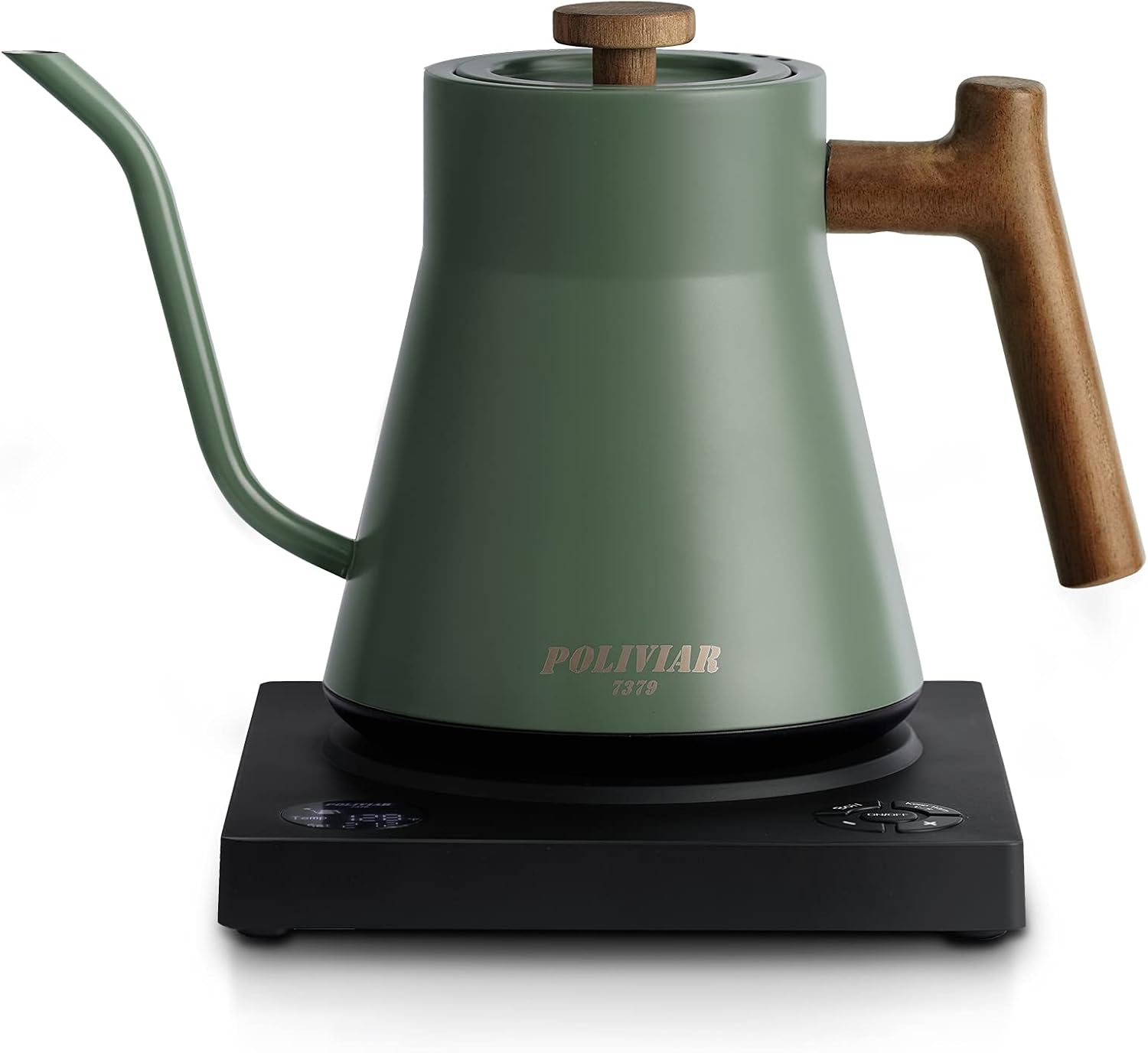
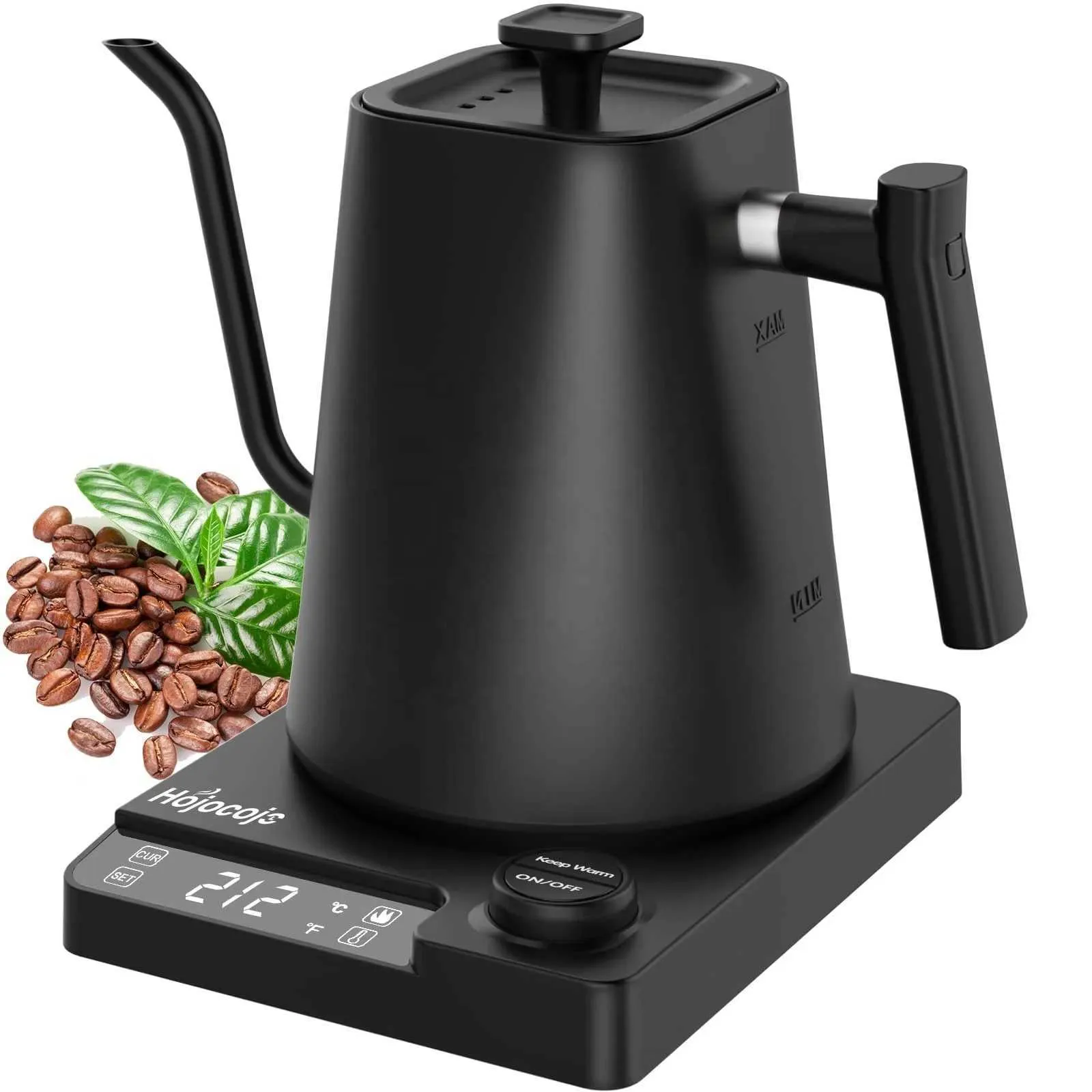
- Precise Pour Spouts: Many models, especially gooseneck designs, offer incredible control over your pour, which is ideal for pour-over coffee as well as tea.
As Dr. Alistair Finch, a materials scientist specializing in kitchen appliance technology, notes, “The material of your kettle matters more than people think. A non-reactive material like 304 or 316-grade stainless steel ensures that the only thing you taste is your water and your tea, not the kettle itself.”
|
Our Picks for the Best Electric Kettle in 2026
As an Amazon Associate, we earn from qualifying purchases.
|
||
| Num | Product | Action |
|---|---|---|
| 1 | Electric Kettle 1.0L 1200W, 7 Temp Settings, 4H Keep-Warm, Fast-Boil Stainless Steel Electric Tea Kettle, 120V Water Boiler with Auto-Shut Off, Cool Touch PP Exterior for Home Office, Black |

|
| 2 | Chefman Electric Kettle with Temperature Control, 5 Presets LED Indicator Lights, Removable Tea Infuser, Glass Tea Kettle & Hot Water Boiler, 360° Swivel Base, BPA Free, Stainless Steel, 1.8 Liters |
|
| 3 | Chefman Electric Kettle with Temperature Control, 5 Presets LED Indicator Lights, Removable Tea Infuser, Glass Tea Kettle & Hot Water Boiler, 360° Swivel Base, BPA Free, Stainless Steel, 1.8 Liters |
|
| 4 | Cuisinart 1.7-Liter Stainless Steel Cordless Electric Kettle with 6 Preset Temperatures |
|
| 5 | Amazon Basics Electric Stainless Steel Kettle for Tea and Coffee, BPA-Free, Fast Boiling, Auto Shut-Off, 1.1 Quarts, 1500W, Black and Silver |
|
| 6 | COMFEE\' Stainless Steel Electric Kettle, Temperature Control with 6 Presets, 1-Hr Keep Warm, Kettle Water Boiler 1.7 Litres, 1500W with Viewing Window, Auto-Off and Boil-Dry Protection |
|
| 7 | Arofeer® 1.7L(57oz) Large Electric Kettle Temperature Control, 7+Cups Electric Tea Kettle for Coffee&Tea, 2 quarts Big Hot Water Kettle Electric with,1200W,Keep Warm-Black |
|
| 8 | Cuisinart Soho 1 Liter Double Wall Electric Kettle, Truffle |
|
| 9 | Chefman Electric Kettle, 1.8L 1500W, Hot Water Boiler, Removable Lid for Easy Cleaning, Auto Shut Off, Boil-Dry Protection, Stainless Steel Filter, BPA Free, Borosilicate Glass Electric Tea Kettle |
|
| 10 | Cosori Electric Kettle, No Plastic Filter & Spout, 1.7L Tea Kettle & Hot Water Boiler For Coffee & Tea, Water Heater & Teapot, Automatic Shut Off, Borosilicate glass, Black, 1500W |
|
How to Use a Kettle for Green Tea: A Step-by-Step Guide
Ready to brew the best cup of green tea of your life? Here’s the breakdown, whether you have a state-of-the-art kettle or a trusted basic model.
Using a Variable Temperature Kettle (The Easy Way)
This is precision brewing made simple.
- Fill the Kettle: Use fresh, cold, filtered water for the best taste. Avoid re-boiling water, as it can have a flat taste due to lower oxygen levels.
- Select the Right Temperature: Check the packaging of your green tea for a recommended temperature. If there isn’t one, a good starting point is 80°C (175°F).
- Heat the Water: Start the kettle and let it do its thing. It will heat the water to your exact temperature and then automatically shut off.
- Pour and Steep: Pour the heated water over your tea leaves (about 1 teaspoon of leaves per 8oz/240ml of water is a good ratio). Steep for 1-3 minutes. Japanese green teas often require shorter steeping times, while Chinese varieties can be more forgiving.
- Enjoy: Remove the leaves to prevent over-steeping and enjoy your perfectly brewed, non-bitter cup of tea!
Using a Standard Kettle (The Clever Hack)
Don’t have a fancy kettle? No problem at all. You just need a little patience and a timer.
- Fill and Boil: Fill your kettle with fresh, cold water and bring it to a full boil.
- Stop and Wait: As soon as it clicks off, open the lid. This is the crucial step. You need to let the water cool down.
- Time the Cool-Down: Set a timer. As a general rule of thumb, for every minute you let the water sit with the lid open, the temperature will drop by about 5-8°C (10-15°F). To get to our target 80-85°C range, you’ll want to wait for about 2 to 4 minutes.
- Pour and Steep: Once the waiting time is up, pour the water over your leaves and steep as directed above.
This “boil and wait” method is a fantastic way to improve your green tea game without spending any extra money.
Keeping Your Kettle in Top Shape
A clean kettle is a happy kettle, and it’s essential for pure-tasting tea. Limescale buildup, especially in hard water areas, can affect your kettle’s performance and even flake off into your cup. If you find your kettle is struggling, it’s worth checking for simple solutions before assuming the worst. For instance, if you’re wondering how to fix kettle not heating, the issue could be as simple as a limescale-coated element.
How to Descale Your Kettle
- Create a Solution: Fill the kettle halfway with a 1:1 solution of white vinegar and water.
- Let it Sit: Allow the solution to sit for at least an hour. For heavy buildup, you can let it sit overnight.
- Boil (Optional but effective): Bring the solution to a boil, then turn the kettle off and let it cool completely.
- Rinse Thoroughly: Pour out the solution and rinse the inside of the kettle with fresh water 4-5 times to remove any lingering vinegar taste.
- Final Boil: Do a final boil with fresh water and discard it. Your kettle is now pristine and ready for brewing.
Regular maintenance can prevent a host of problems. Sometimes, what seems like a major failure is just a minor issue that needs attention. Before you give up on a seemingly broken appliance, exploring a guide on how to fix kettle not turning on might reveal a simple fix, saving you time and money.
Frequently Asked Questions (FAQ)
What is the absolute best temperature for green tea?
While 80°C (175°F) is a great all-around temperature, it varies. Delicate Japanese green teas like Gyokuro prefer cooler temperatures around 60-70°C (140-160°F), while sturdier Chinese green teas like Dragon Well can handle slightly hotter water, up to 85°C (185°F). Always check the packaging first!
Can I really not use boiling water for green tea?
You can, but the result will likely be very bitter and astringent. Boiling water scorches the leaves and extracts too many tannins, masking the tea’s delicate and sweet flavors. It’s a common mistake that turns many people away from green tea.
How long should I let green tea steep?
Typically, 1-3 minutes is sufficient. Over-steeping is another common cause of bitterness. It’s better to steep for a shorter time, taste it, and then decide if it needs a little longer. Many high-quality green teas can be re-steeped multiple times.
Does the type of water I use matter?
Absolutely. Using filtered or spring water will always produce a better-tasting cup of tea than hard tap water. The minerals in hard water can react with compounds in the tea, dulling its flavor and aroma.
My kettle doesn’t have temperature settings. How can I be more accurate?
Besides the “boil and wait” method, you can use a kitchen thermometer. Simply boil the water, pour it into your mug or teapot, and pop a thermometer in. When it reads your desired temperature, add your tea leaves.
The Final Word
Mastering how to use a kettle for green tea is less about having the most expensive equipment and more about understanding the simple science of temperature. By respecting the delicate nature of the leaves and using water that’s hot but not boiling, you unlock a world of flavor you might have been missing. Whether you use a variable temperature model for precision or the clever “boil and wait” hack with your trusty standard kettle, you are now equipped to brew a truly exceptional cup. So go ahead, give that green tea another try. Your taste buds will thank you.