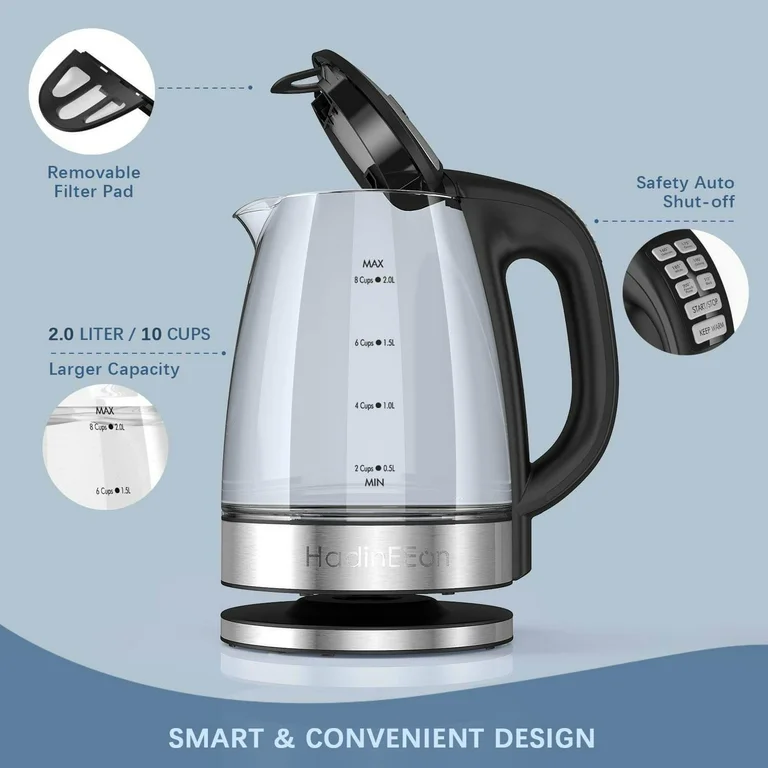
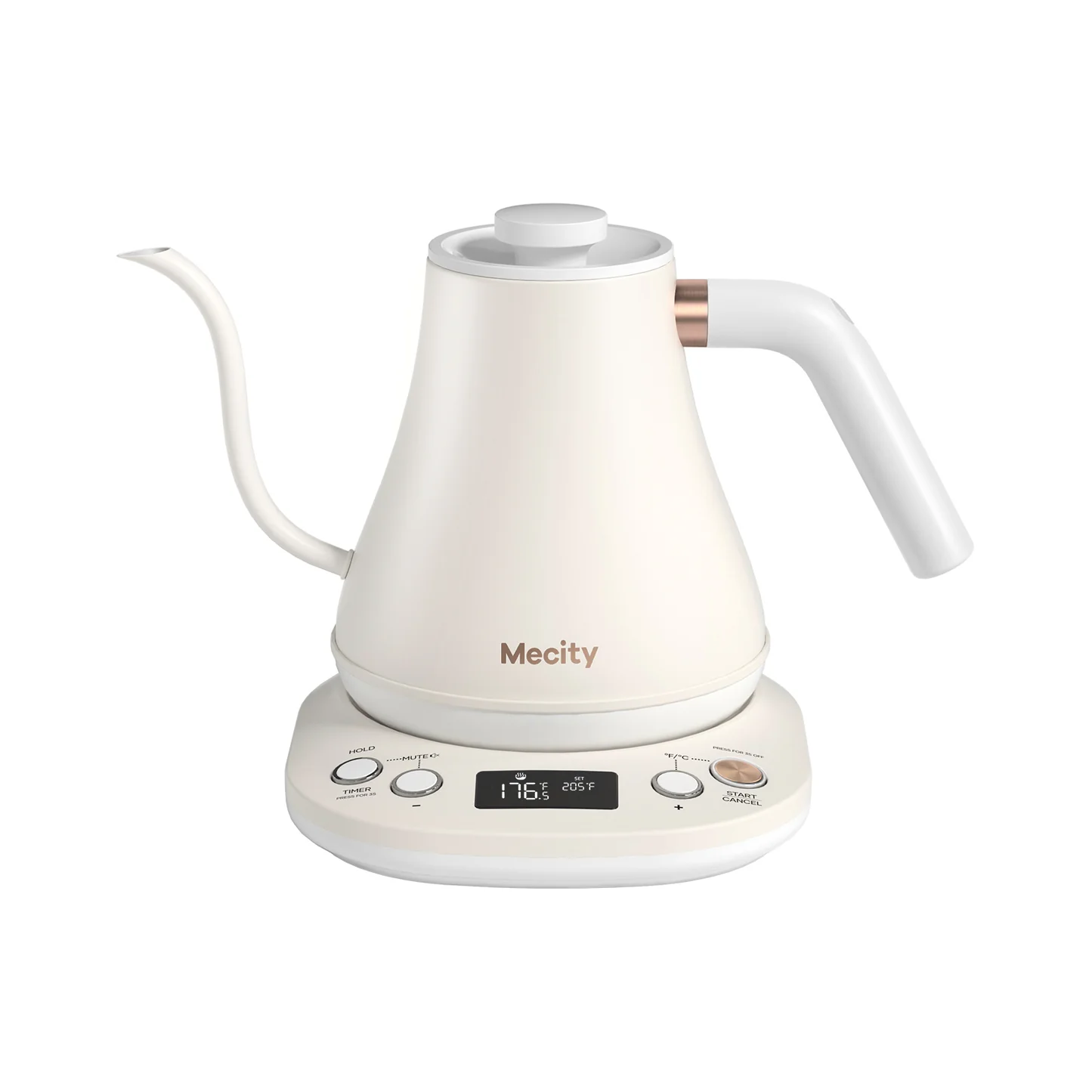
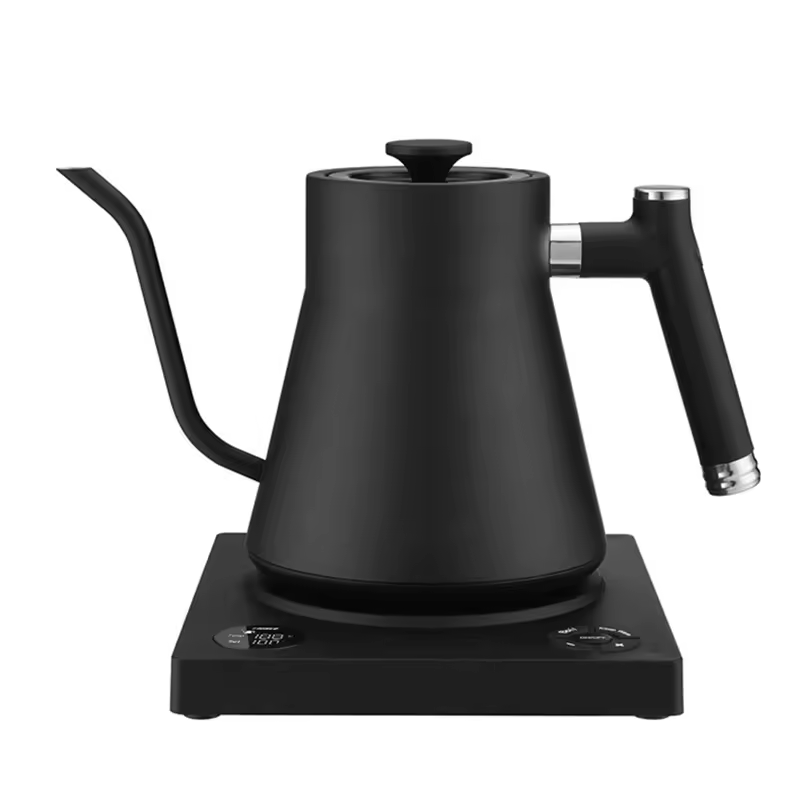
Ever feel like your morning routine is hijacked by the sound of a jet engine taking off from your kitchen counter? You’re not alone. That deafening roar of a boiling kettle can shatter the peace of an otherwise quiet home. If you’re tired of shouting over your kettle or waking up the entire household for your first cup of tea, you’ve come to the right place. This in-depth Quiet Electric Kettle Review is your guide to reclaiming tranquility. I’m Zoe Moore, and here at Electric Kettle Tea, my passion is to help you understand the tech behind the tea, so you can make a choice that truly enhances your daily rituals.
A Brief History of the Electric Kettle’s Roar
To understand why some kettles are quiet, we first need to get to the bottom of why most are so loud. It’s not just the steam; it’s a fascinating bit of physics happening right inside the pot. The loud rumbling sound is caused by a process called cavitation.
When the heating element at the bottom of the kettle gets hot, it creates tiny steam bubbles. Because the water above is still cold, these bubbles collapse almost instantly. This rapid formation and collapse creates a mini shockwave, and when thousands of these happen every second, you get that familiar, thunderous noise. Think of it like a massive amount of microscopic bubble wrap being popped all at once. As the water heats up uniformly, the bubbles can survive their journey to the surface, and the noise subsides, replaced by a gentle hiss.
Understanding this process is key, and it’s a concept we explore when we compare different heating technologies. In many ways, the efficiency of the element is a factor, something that also plays a role in our cordless electric kettle review.
What Is the Secret to a Quiet Electric Kettle?
So, how do manufacturers silence the roar? It’s not magic, but clever engineering. A quiet electric kettle tackles the noise problem from several angles, moving beyond the basic function of just heating water.
- Concealed Heating Element: Older kettles had the element directly exposed to the water. Modern designs conceal it beneath a flat, metal base. This heats the water more evenly, reducing the violent bubble collapse that causes the loudest noise. It’s also a breeze to clean.
- Double-Walled Insulation: This is a game-changer. Just like a travel mug, these kettles have an inner and an outer wall. This not only keeps the exterior cool to the touch but also acts as a fantastic sound buffer, dampening the noise of the boiling process.
- Specialized Base Coatings: Some high-end models feature a special coating or a diffuser ring on the heating element plate. This technology is designed to break up the steam bubbles into smaller, “micro-bubbles” as they form. Smaller bubbles create a much softer sound when they collapse, turning a roar into a whisper.
- Quality Materials: The material and build quality of the kettle itself can make a difference. A sturdily built kettle made from high-grade stainless steel will often vibrate and rattle less than a flimsy, thin plastic model.
“The principle behind a quiet kettle is all about managing thermal energy and its acoustic side effects,” notes Dr. Alistair Finch, a leading materials scientist. “Effective insulation doesn’t just trap heat for efficiency; it traps sound waves. The most innovative designs disrupt the cavitation process at its source, fundamentally changing the way the water behaves as it heats.”
Your In-Depth Guide to a Better Quiet Electric Kettle Review
When you’re on the hunt for the perfect peaceful kettle, it’s easy to get lost in marketing jargon. Let’s cut through the noise and focus on what truly matters. This isn’t just a quiet electric kettle review of models, but a review of the features you need to look for.
Why Does Material Choice Matter for Noise?
The body of the kettle plays a significant role in both performance and sound levels.
- Stainless Steel: Often the best choice for a quiet kettle, especially double-walled models. It’s durable, doesn’t impart flavors, and its density helps absorb sound.
- Glass: While aesthetically pleasing, glass kettles can be noisier unless they have specific noise-reducing features at the base. They aren’t great insulators, so the sound can travel more easily.
- Plastic: Budget-friendly, but often the loudest. Thinner plastic walls do little to muffle the sound of boiling. If you go for plastic, look for premium, BPA-free models with a solid construction.
The Power of Variable Temperature Control
You might think this is just for tea or coffee connoisseurs, but it’s a fantastic feature for a quiet kettle. Why? Because you don’t always need a full, rolling boil. Heating water to 80°C (175°F) for green tea is inherently quieter and faster than bringing it to a full 100°C (212°F) boil. Less energy, less time, and less noise.
Look for Official Certifications
Some kettles are officially recognized for their low-noise operation. Look for badges like the “Quiet Mark” award, which is an independent global certification program that identifies the quietest products on the market. This is a quick way to know that a manufacturer has specifically engineered their product for noise reduction.
|
Our Picks for the Best Electric Kettle in 2026
As an Amazon Associate, we earn from qualifying purchases.
|
||
| Num | Product | Action |
|---|---|---|
| 1 | Cuisinart Soho 1 Liter Double Wall Electric Kettle, Truffle |

|
| 2 | Chefman Electric Kettle, 1.8L 1500W, Hot Water Boiler, Removable Lid for Easy Cleaning, Auto Shut Off, Boil-Dry Protection, Stainless Steel Filter, BPA Free, Borosilicate Glass Electric Tea Kettle |
|
| 3 | Electric Kettle 1.0L 1200W, 7 Temp Settings, 4H Keep-Warm, Fast-Boil Stainless Steel Electric Tea Kettle, 120V Water Boiler with Auto-Shut Off, Cool Touch PP Exterior for Home Office, Black |
|
| 4 | Amazon Basics Electric Stainless Steel Kettle for Tea and Coffee, BPA-Free, Fast Boiling, Auto Shut-Off, 1.1 Quarts, 1500W, Black and Silver |
|
| 5 | Cuisinart 1.7-Liter Stainless Steel Cordless Electric Kettle with 6 Preset Temperatures |
|
| 6 | Chefman Electric Kettle with Temperature Control, 5 Presets LED Indicator Lights, Removable Tea Infuser, Glass Tea Kettle & Hot Water Boiler, 360° Swivel Base, BPA Free, Stainless Steel, 1.8 Liters |
|
| 7 | Chefman Electric Kettle with Temperature Control, 5 Presets LED Indicator Lights, Removable Tea Infuser, Glass Tea Kettle & Hot Water Boiler, 360° Swivel Base, BPA Free, Stainless Steel, 1.8 Liters |
|
| 8 | Cosori Electric Kettle, No Plastic Filter & Spout, 1.7L Tea Kettle & Hot Water Boiler For Coffee & Tea, Water Heater & Teapot, Automatic Shut Off, Borosilicate glass, Black, 1500W |
|
| 9 | COMFEE\' Stainless Steel Electric Kettle, Temperature Control with 6 Presets, 1-Hr Keep Warm, Kettle Water Boiler 1.7 Litres, 1500W with Viewing Window, Auto-Off and Boil-Dry Protection |
|
| 10 | Arofeer® 1.7L(57oz) Large Electric Kettle Temperature Control, 7+Cups Electric Tea Kettle for Coffee&Tea, 2 quarts Big Hot Water Kettle Electric with,1200W,Keep Warm-Black |
|
The Unexpected Benefits of Owning a Quiet Kettle
The most obvious benefit is, of course, a more peaceful environment. But the advantages extend further than you might think.
- Perfect for Open-Plan Living: If your kitchen and living area are one big space, a quiet kettle means you can boil water without interrupting a movie, a conversation, or your concentration.
- A Blessing for New Parents and Light Sleepers: No more worrying that your 5 AM cup of tea will wake the baby or your partner. It’s a small change that can make a huge difference to household harmony.
- A More Mindful Morning: Starting your day with a gentle, quiet ritual instead of a jarring noise can set a calmer, more positive tone for everything that follows.
- Office-Friendly: A quiet kettle is a considerate choice for a shared office kitchen, preventing your tea break from disturbing your colleagues.
Keeping It Quiet: A Simple Guide to Cleaning and Maintenance
Did you know that a kettle can get louder over time? The culprit is limescale, especially in hard water areas. Limescale buildup on the heating element creates an uneven surface with tiny crevices, which are perfect spots for those noisy cavitation bubbles to form. Regular descaling is the single best thing you can do to keep your kettle working efficiently and quietly.
Here’s a simple, effective method:
- Fill the kettle halfway with a solution of equal parts water and white vinegar.
- Let it sit for at least an hour. For heavy buildup, you can leave it overnight.
- Bring the kettle to a boil (the vinegar smell will be strong, so open a window!).
- Empty the kettle and rinse it thoroughly with clean water 2-3 times to remove any lingering vinegar taste.
- For a final clean, boil a full kettle of fresh water and discard it.
Performing this simple maintenance every month or two will dramatically prolong the life and performance of your kettle.
Frequently Asked Questions (FAQ)
Are quiet electric kettles completely silent?
No, they aren’t completely silent. You will still hear the water heating up, but the sound is a much gentler hiss or a low hum rather than the loud, rumbling roar of a standard kettle. The goal is noise reduction, not total silence.
Does a quiet electric kettle take longer to boil?
Generally, no. The technology used to make a kettle quiet, such as an insulated body, often makes it more energy-efficient. This means it can retain heat better and may even boil slightly faster than a comparable standard model.
Are quiet kettles more expensive?
They can be, as they often involve more advanced engineering and higher-quality materials like double-walled stainless steel. However, the price gap is narrowing, and you can find excellent quiet models at various price points.
Can any type of kettle be a quiet kettle?
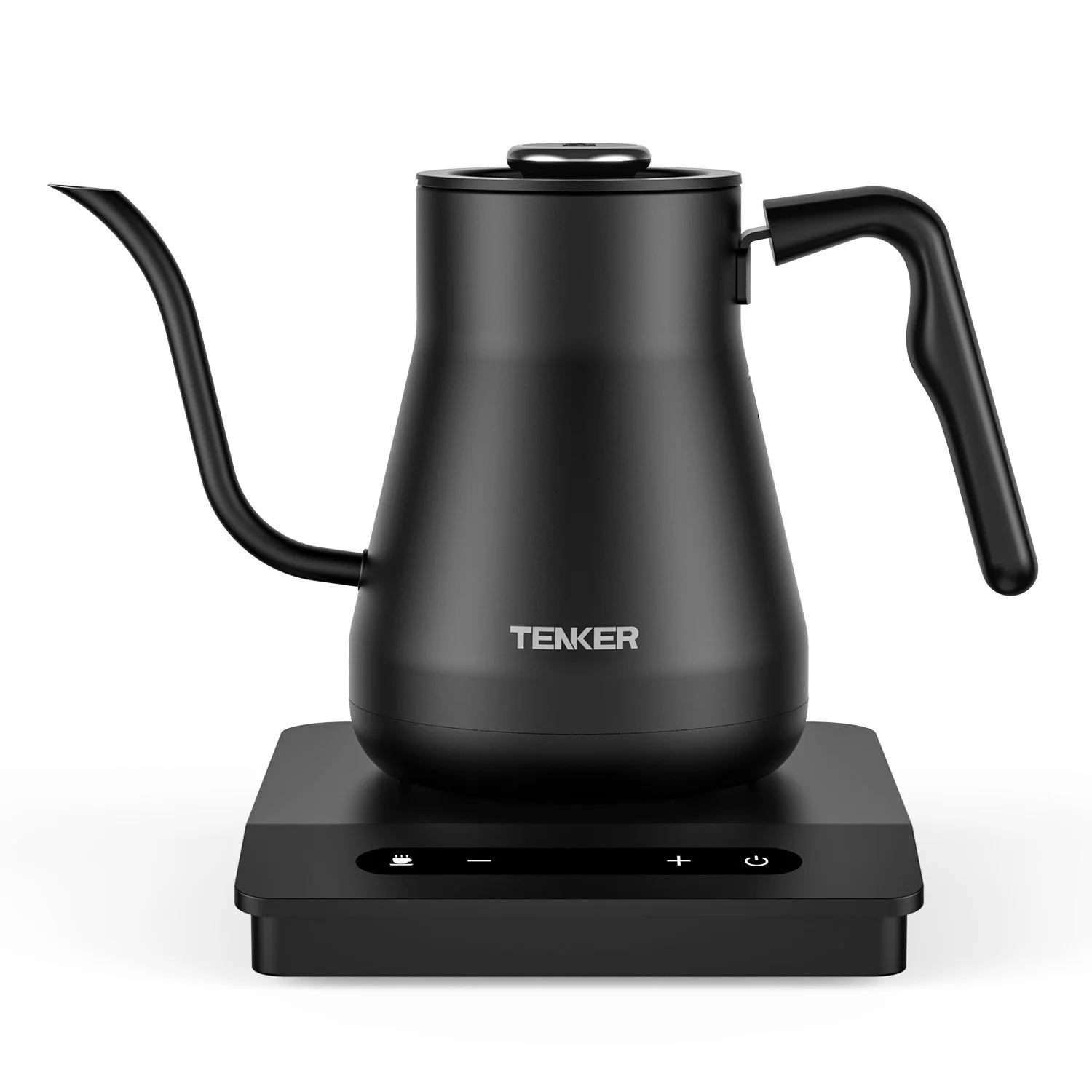
Technically, yes, but certain types lend themselves better to quiet operation. A gooseneck kettle, for example, is prized for its precision pour, not its noise level. The quietest models are typically standard jug-style kettles designed with specific noise-dampening features.
Is descaling really that important for keeping a kettle quiet?
Absolutely. Limescale buildup is one of the main reasons a kettle becomes louder over its lifespan. Regular descaling is the most effective maintenance you can perform to keep it operating as quietly as the day you bought it.
Your Journey to a More Peaceful Brew
Choosing the right appliance is about more than just features; it’s about how it fits into your life. A quiet kettle is a small luxury that pays dividends every single day, transforming a noisy chore into a peaceful moment. I hope this quiet electric kettle review has armed you with the knowledge and confidence to find the perfect model for your home. By focusing on features like double-walled insulation, a concealed element, and quality materials, you can ensure your next cup of tea starts with a whisper, not a roar.