Hello there, Zoe here from Electric Kettle Tea! Let’s talk about the unsung hero of the modern kitchen: the electric kettle. It’s the first thing many of us reach for in the morning and the last thing we use for a calming cup of chamomile at night. If you’re diving into the world of electric kettles, you’ve probably noticed one material stands out from the rest. That’s why this comprehensive Stainless Steel Kettle Review 2025 is designed to be your trusted guide. We’re not just looking at shiny appliances; we’re breaking down what makes them tick, so you can find the perfect partner for your daily ritual.
What’s the Big Deal with Electric Kettles Anyway?
Before we dive deep into stainless steel, let’s take a quick trip back in time. The concept is simple: use electricity to heat a coil, which then boils the water around it. But oh, how they’ve evolved! From the clunky, slow models of the past, we now have hyper-efficient machines that can boil water in the time it takes you to choose your favorite mug. They are faster, safer, and infinitely more energy-efficient than boiling water on a stovetop.
Modern kettles are a marvel of simple engineering, but the real magic is in the details. They’ve become sophisticated tools that cater to every need, from the busy parent needing a quick bottle prep to the tea connoisseur who needs water at a very specific 85°C.
The Most Common Kettle Types on the Market
When you start shopping, you’ll mainly see three types of materials, each with its own personality:
- Plastic Kettles: Often the most budget-friendly option and available in a rainbow of colors. The main drawback is the potential for a “plastic” taste in your water and concerns about BPAs, though many are now BPA-free.
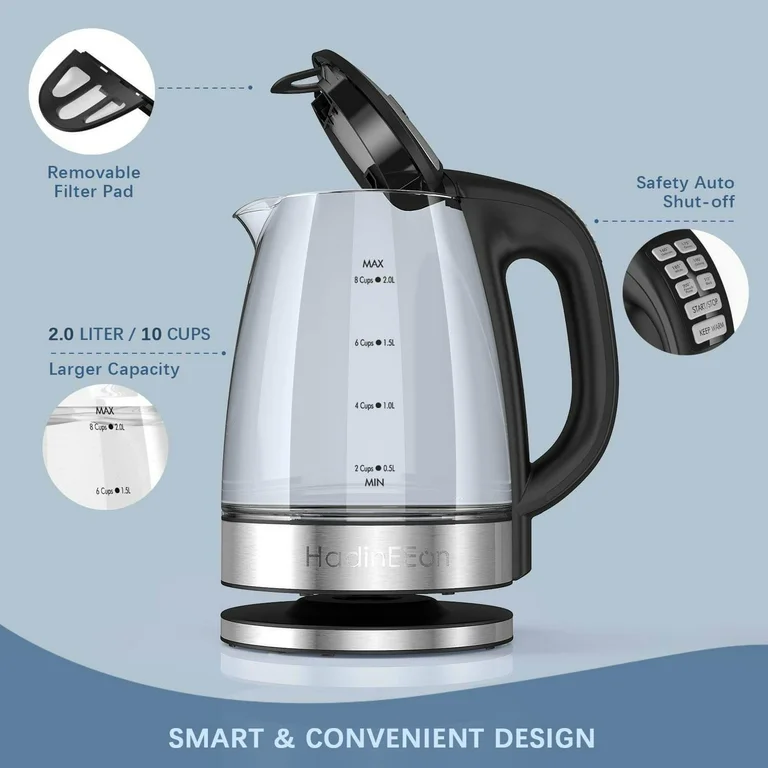
- Glass Kettles: These are the showstoppers. There’s something mesmerizing about watching the water bubble and boil, often illuminated by a cool blue LED light. The downside? They can be heavier and more fragile.
- Stainless Steel Kettles: The workhorse of the kettle world. They are durable, easy to clean, and don’t impart any unwanted flavors into your water. Their sleek, modern look fits seamlessly into almost any kitchen decor, making them a crowd favorite.
How to Choose the Perfect Kettle: Your Ultimate Checklist
Finding the right kettle isn’t about picking the prettiest one. It’s about matching the features to your lifestyle. This is the core of our stainless steel kettle review 2025—empowering you with knowledge.
What Size Kettle Do I Actually Need?
Capacity is king. It’s measured in liters or cups. Think about your daily routine.
- 1.0 Liter or less: Perfect for a single person, a dorm room, or a small office desk. You’ll get about 4 cups of tea out of it.
- 1.5 – 1.7 Liters: This is the standard family size. It’s ideal for making multiple drinks at once, filling a French press, or getting a head start on a pot of pasta.
- 1.8 Liters or more: The “entertainer” size. If you frequently host guests or have a large family of tea lovers, this is your best bet.
Are You in a Rush? Let’s Talk Speed and Power
The speed of a kettle is determined by its wattage. The higher the wattage, the faster it boils.
“A kettle’s power, typically between 1500 and 3000 watts, directly impacts boiling time. A 3000W kettle can boil a full liter in just over two minutes, whereas a 1500W model might take four to five minutes. Consider the trade-off: speed versus the load on your home’s electrical circuit.” – Dr. Alistair Finch, Home Appliance Engineer.
For most households in the US (with a 110-120V standard), 1500 watts is a common and powerful option. In regions with 220-240V, you’ll find models reaching 3000 watts.
|
Our Picks for the Best Electric Kettle in 2026
As an Amazon Associate, we earn from qualifying purchases.
|
||
| Num | Product | Action |
|---|---|---|
| 1 | Cosori Electric Kettle, No Plastic Filter & Spout, 1.7L Tea Kettle & Hot Water Boiler For Coffee & Tea, Water Heater & Teapot, Automatic Shut Off, Borosilicate glass, Black, 1500W |

|
| 2 | Cuisinart 1.7-Liter Stainless Steel Cordless Electric Kettle with 6 Preset Temperatures |
|
| 3 | Arofeer® 1.7L(57oz) Large Electric Kettle Temperature Control, 7+Cups Electric Tea Kettle for Coffee&Tea, 2 quarts Big Hot Water Kettle Electric with,1200W,Keep Warm-Black |
|
| 4 | Cuisinart Soho 1 Liter Double Wall Electric Kettle, Truffle |
|
| 5 | Electric Kettle 1.0L 1200W, 7 Temp Settings, 4H Keep-Warm, Fast-Boil Stainless Steel Electric Tea Kettle, 120V Water Boiler with Auto-Shut Off, Cool Touch PP Exterior for Home Office, Black |
|
| 6 | Chefman Electric Kettle with Temperature Control, 5 Presets LED Indicator Lights, Removable Tea Infuser, Glass Tea Kettle & Hot Water Boiler, 360° Swivel Base, BPA Free, Stainless Steel, 1.8 Liters |
|
| 7 | Amazon Basics Electric Stainless Steel Kettle for Tea and Coffee, BPA-Free, Fast Boiling, Auto Shut-Off, 1.1 Quarts, 1500W, Black and Silver |
|
| 8 | Chefman Electric Kettle, 1.8L 1500W, Hot Water Boiler, Removable Lid for Easy Cleaning, Auto Shut Off, Boil-Dry Protection, Stainless Steel Filter, BPA Free, Borosilicate Glass Electric Tea Kettle |
|
| 9 | COMFEE\' Stainless Steel Electric Kettle, Temperature Control with 6 Presets, 1-Hr Keep Warm, Kettle Water Boiler 1.7 Litres, 1500W with Viewing Window, Auto-Off and Boil-Dry Protection |
|
| 10 | Chefman Electric Kettle with Temperature Control, 5 Presets LED Indicator Lights, Removable Tea Infuser, Glass Tea Kettle & Hot Water Boiler, 360° Swivel Base, BPA Free, Stainless Steel, 1.8 Liters |
|
What Features Genuinely Matter?
This is where things get exciting. Modern kettles are packed with tech that can elevate your beverage game.
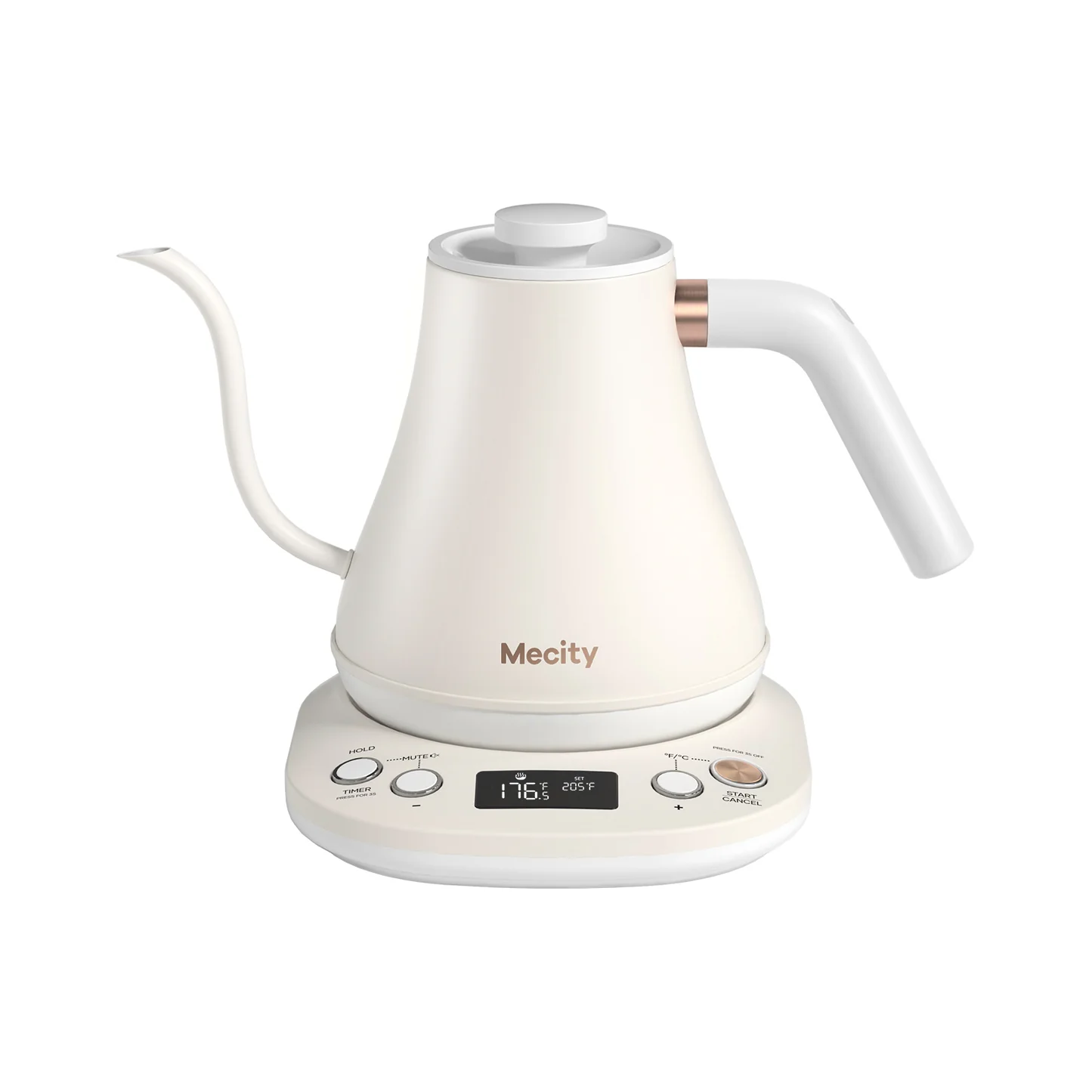
- Variable Temperature Control: This is a game-changer for tea and coffee lovers. Green tea tastes best with water around 80°C (175°F), while black tea requires a full rolling boil at 100°C (212°F). A variable temperature kettle lets you select the perfect heat, preventing scorched, bitter-tasting drinks. If you’re serious about your brew, this feature is non-negotiable.
- Keep Warm Function: This handy feature maintains the water at your desired temperature for a set period (usually 30-60 minutes). It’s perfect for those lazy weekend mornings when you know you’ll want a second cup.
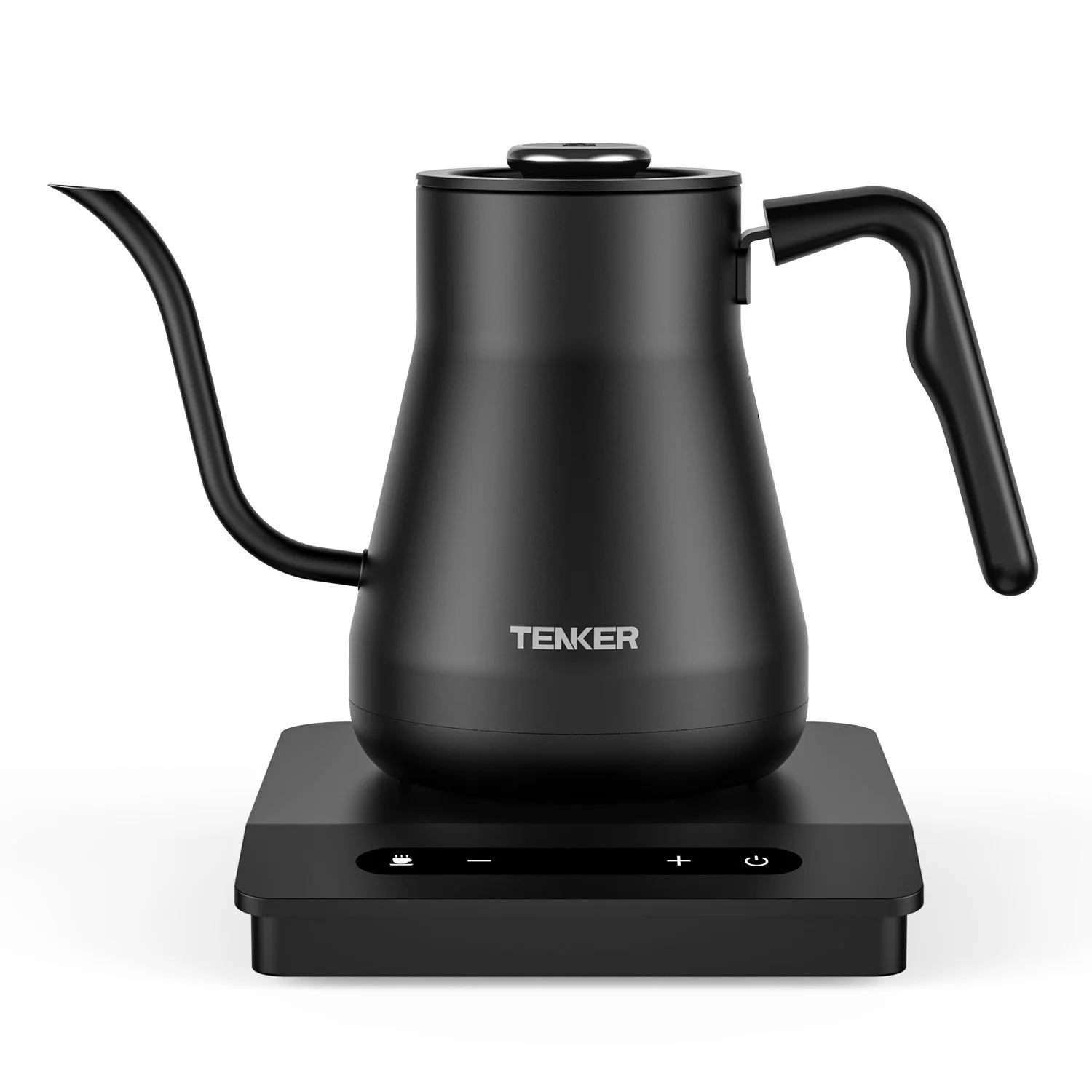
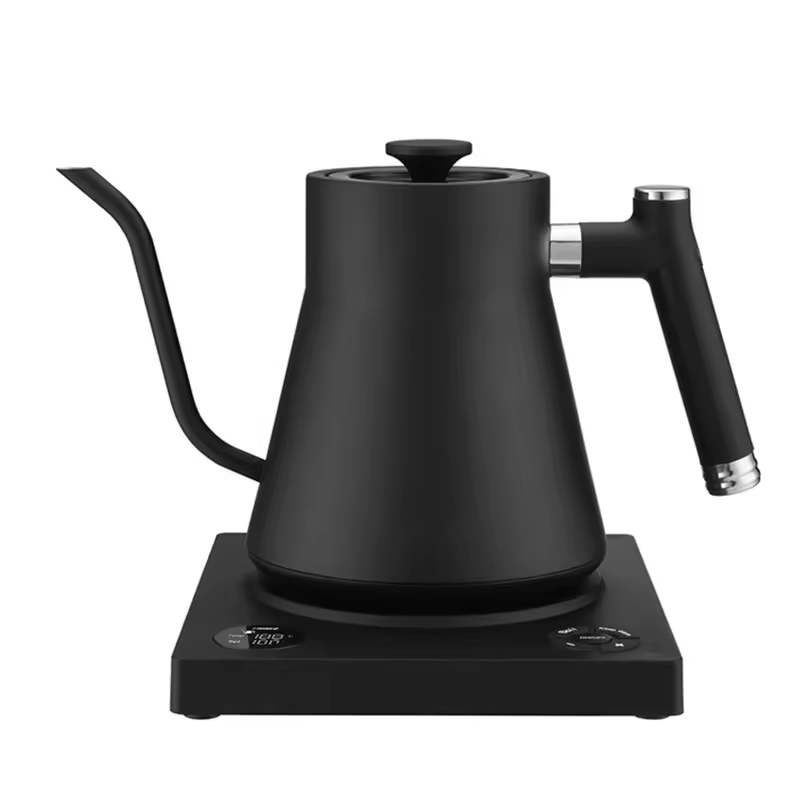
- Gooseneck Spout: A must-have for pour-over coffee aficionados. The long, slender spout provides precise control over the water flow, ensuring an even extraction and a perfect cup of coffee. You can learn more by reading [our guide to the best gooseneck kettles].
- Safety Features: Look for these two non-negotiables:
- Auto Shut-Off: The kettle automatically turns off once the water reaches a boil.
- Boil-Dry Protection: This clever feature shuts the kettle off if it detects there’s no water inside, preventing the heating element from burning out.
The Undeniable Benefits of a Stainless Steel Kettle
So, why are we focusing so much on stainless steel? It’s simple. They offer a fantastic blend of performance, safety, and longevity.
- Durability: Unlike glass, they won’t shatter. Unlike plastic, they won’t warp or crack over time. A good stainless steel kettle is an investment that can last for years.
- Purity of Taste: Stainless steel is non-reactive, meaning it won’t leach any chemicals or “off” flavors into your water. You get the pure, clean taste of your water, tea, or coffee.
- Easy to Clean: The smooth interior surface makes it difficult for grime to build up. Descaling is straightforward and highly effective.
- Timeless Style: A brushed or polished stainless steel finish is a classic look that complements both modern and traditional kitchen designs.
Keeping Your Kettle in Tip-Top Shape: A Simple Guide
The biggest enemy of any kettle is limescale, a chalky deposit left behind by hard water. It can slow down boiling time and affect the taste of your water. But don’t worry, cleaning it is a breeze.
- Create Your Cleaning Solution: Mix equal parts white vinegar and water. You can also use citric acid or a commercial descaling solution.
- Fill the Kettle: Pour the solution into the kettle until it covers the limescale buildup, usually about halfway.
- Boil and Soak: Bring the mixture to a boil. Once it boils, turn the kettle off and let it sit for at least an hour. For really tough buildup, you can let it soak overnight.
- Rinse Thoroughly: Pour out the solution and rinse the inside of the kettle with fresh water several times to remove any lingering vinegar taste.
- Final Boil: Fill the kettle with fresh water, boil it once more, and discard the water. Your kettle is now sparkling clean and ready to go!
For more detailed instructions, check out our post on [how to properly descale your appliance].
Frequently Asked Questions (FAQ)
Q: Are stainless steel kettles better than glass or plastic ones?
A: It depends on your priorities! Stainless steel offers the best durability and a pure taste. Glass provides a great visual experience but is more fragile. Plastic is lightweight and affordable but can raise concerns about taste and longevity.
Q: How often should I descale my stainless steel kettle?
A: This depends on the hardness of your water. For areas with hard water, descaling every one to two months is recommended. In soft water areas, every three to six months should be sufficient to keep it performing at its best.
Q: Do the outside of stainless steel kettles get hot to the touch?
A: Single-walled stainless steel kettles can get very hot. However, many modern models feature double-walled or “cool-touch” construction, which keeps the exterior at a safe temperature. Always check the product specifications for this feature.
Q: What is the ideal wattage for an electric kettle?
A: In the US, 1500 watts is a powerful and common standard that provides a quick boil without typically overloading circuits. In regions with 220-240V electricity, anything from 2200 to 3000 watts offers excellent, rapid performance.
Q: Can I boil milk or other liquids in my electric kettle?
A: It’s strongly advised not to. Electric kettles are designed specifically for water. Boiling milk can cause it to scorch and stick to the heating element, creating a burnt taste and a difficult-to-clean mess that can permanently damage the appliance.
Your Perfect Brew Awaits
Wrapping up this stainless steel kettle review 2025, the key takeaway is this: the best kettle is the one that fits your life. Whether you need a simple, reliable boiler for your morning oatmeal or a precision instrument for your artisanal tea collection, there is a stainless steel model out there for you. By considering capacity, speed, and the features that truly add value to your routine, you’re not just buying an appliance; you’re investing in countless perfect cups and a smoother, more enjoyable day.
We’d love to hear about your experiences! What features do you love in your kettle? Share your thoughts in the comments below and help our community brew better.