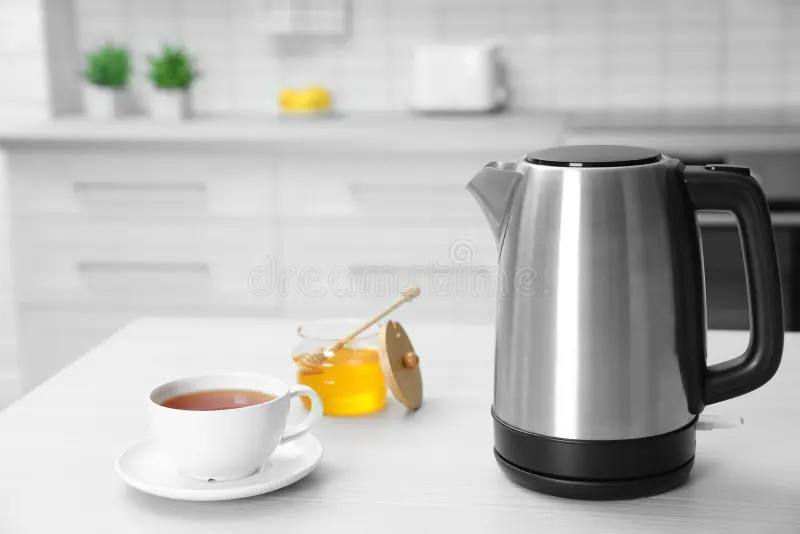
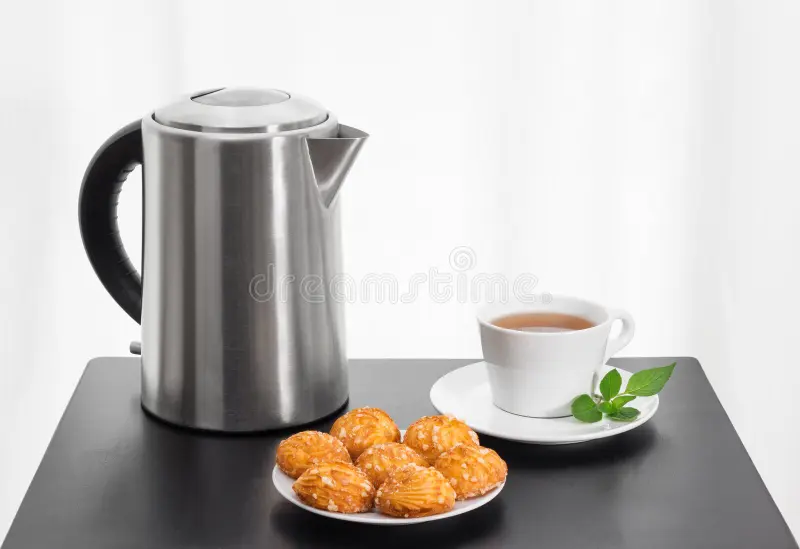
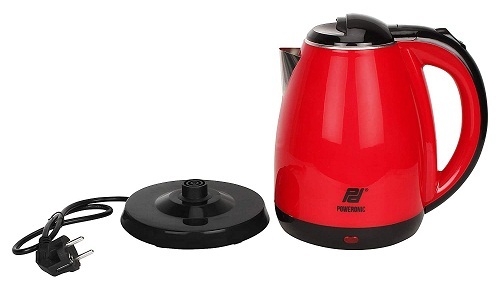
Ever made a cup of green tea that tasted disappointingly bitter? Or a French press coffee that felt a bit flat? I’ve been there. You get the best leaves, the perfect beans, but the final result is just… off. The culprit, more often than not, is something we take for granted: the temperature of our water. Boiling water is fantastic for a robust black tea, but it’s a death sentence for delicate greens and whites. This is where a detailed Temperature Control Kettle Review becomes less of a luxury and more of a necessity for anyone who truly cares about their daily brew. It’s about taking back control and unlocking the true flavor potential hidden in your tea and coffee.
As someone who has tested countless kitchen gadgets, I can tell you that the leap from a standard electric kettle to one with precise temperature settings is a game-changer. The technology has evolved significantly, making these devices more accessible and user-friendly than ever. Many models now boast features that were once reserved for high-end cafe equipment. For a deeper look into how kettle technology has advanced, our cordless electric kettle review provides excellent context on the convenience that defines modern designs. In this guide, we’re going to break down everything you need to know, so you can confidently choose the perfect partner for your kitchen counter. Let’s dive in, shall we?
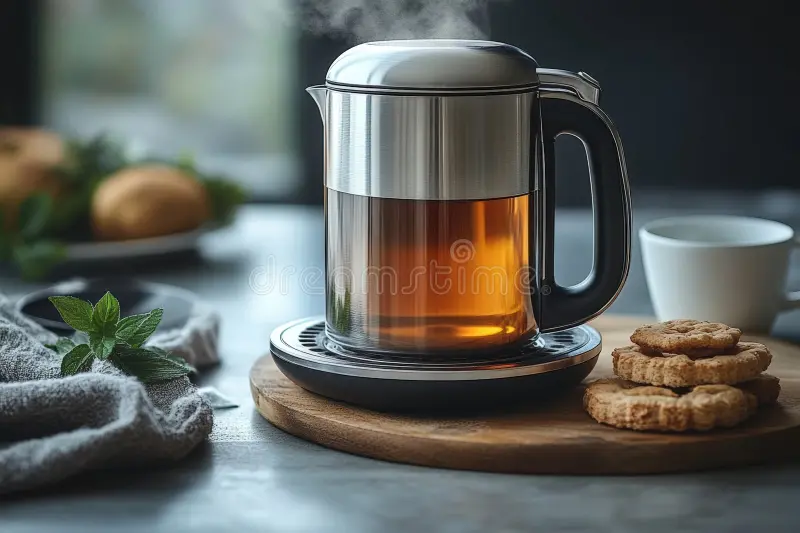
Why Does Water Temperature Matter So Much?
So, what’s the big deal with a few degrees here or there? In short, temperature is the key that unlocks flavor. Different chemical compounds in tea leaves and coffee grounds—the ones responsible for aroma, taste, and even health benefits—dissolve at different rates and temperatures.
Using water that’s too hot can scald delicate tea leaves, releasing an excess of tannins, which results in that dreaded bitter, astringent taste. On the flip side, water that’s too cool won’t extract enough of the good stuff, leaving you with a weak, underdeveloped flavor profile. It’s a delicate dance, and a temperature control kettle is your perfect partner.
“Precision in brewing is not about being fussy; it’s about honoring the ingredient. Whether it’s a first-flush Darjeeling or a single-origin coffee bean, the right water temperature allows its full spectrum of flavors to express themselves without compromise.”
– Dr. Alistair Finch, Beverage Scientist
Here’s a quick cheat sheet for common beverage temperatures:
- Delicate White & Green Teas: 160-180°F (70-82°C)
- Oolong Teas: 185-205°F (85-96°C)
- Black Teas & Herbal Infusions: 205-212°F (96-100°C)
- French Press & Pour-Over Coffee: 195-205°F (90-96°C)
How Do Temperature Control Kettles Work?
It might seem like magic, but the technology is quite straightforward. A standard electric kettle has a simple thermostat that shuts off the heating element when it detects boiling steam. A temperature control kettle review wouldn’t be complete without explaining the smarter tech inside. These advanced kettles use a more precise sensor, called a thermistor, which is integrated with a small microprocessor.
You select your desired temperature, and the microprocessor constantly reads the input from the thermistor. It tells the heating element to power on until the water reaches that exact temperature, then it shuts off. It’s a closed-loop system that gives you repeatable, accurate results every single time. No more guesswork, no more “letting it cool for a minute.” Just precision on demand.
A Comprehensive Guide to Choosing Your Kettle
Finding the right kettle can feel overwhelming with all the options out there. Let’s break down the key features you should consider. This is the heart of any good temperature control kettle review.
Material Matters: Stainless Steel, Glass, or Plastic?
The body of the kettle impacts not only its look but also its performance and health profile.
- Stainless Steel: The workhorse. It’s durable, easy to clean, and doesn’t impart any unwanted flavors to the water. Look for “food-grade” or “304 stainless steel” for the best quality.
- Glass: Aesthetically pleasing. It’s fascinating to watch the water boil, and glass is pure, so there’s zero chance of flavor transfer. The main downside is that it can be more fragile than steel.
- Plastic: Usually the most affordable option. However, it’s crucial to ensure it is 100% BPA-free. Over time, plastic can be more prone to retaining odors or stains compared to its counterparts.
For those who prioritize sustainability in their kitchen, material choice is a significant factor. You can explore this topic further in our eco friendly electric kettle review, which dives into the materials and manufacturing processes that make a product better for the planet.
Preset vs. Variable: Which Control Is Right for You?
This is a key decision point.
- Preset Temperatures: These kettles come with several pre-programmed buttons, often labeled for “Green Tea,” “Black Tea,” “Coffee,” etc. They are incredibly user-friendly and perfect for those who want simplicity.
- Variable Temperature: These models allow you to set the temperature degree by degree, usually with a dial or plus/minus buttons. This offers the ultimate control for true connoisseurs who want to experiment with brewing or dial in the perfect temperature for a specific variety of oolong.
The ‘Keep Warm’ Function: A Convenience or a Necessity?
Many temperature control kettles feature a “Keep Warm” button that will hold the water at your selected temperature for a period, often between 30 to 60 minutes. Is it necessary? For me, it’s a lifesaver. If you’re a busy parent, work from home, or just love a second cup that’s just as perfect as the first without re-boiling, this feature is absolutely worth it.
Gooseneck or Spout? A Pour-Over Preference
The spout design is about one thing: control.
- Standard Spout: Perfect for everyday use—filling a mug for tea, a bowl for oatmeal, or a French press. It pours quickly and efficiently.
- Gooseneck Spout: This long, thin, curved spout is the gold standard for pour-over coffee. It gives you exceptional control over the flow rate and direction of the water, allowing for a slow, even saturation of the coffee grounds. If pour-over is your ritual, a gooseneck is non-negotiable.
|
Our Picks for the Best Electric Kettle in 2025
As an Amazon Associate, we earn from qualifying purchases.
|
||
| Num | Product | Action |
|---|---|---|
| 1 | Cuisinart Soho 1 Liter Double Wall Electric Kettle, Truffle |

|
| 2 | Amazon Basics Electric Stainless Steel Kettle for Tea and Coffee, BPA-Free, Fast Boiling, Auto Shut-Off, 1.1 Quarts, 1500W, Black and Silver |
|
| 3 | Chefman Electric Kettle with Temperature Control, 5 Presets LED Indicator Lights, Removable Tea Infuser, Glass Tea Kettle & Hot Water Boiler, 360° Swivel Base, BPA Free, Stainless Steel, 1.8 Liters |
|
| 4 | Chefman Electric Kettle, 1.8L 1500W, Hot Water Boiler, Removable Lid for Easy Cleaning, Auto Shut Off, Boil-Dry Protection, Stainless Steel Filter, BPA Free, Borosilicate Glass Electric Tea Kettle |
|
| 5 | Chefman Electric Kettle with Temperature Control, 5 Presets LED Indicator Lights, Removable Tea Infuser, Glass Tea Kettle & Hot Water Boiler, 360° Swivel Base, BPA Free, Stainless Steel, 1.8 Liters |
|
| 6 | Cosori Electric Kettle, No Plastic Filter & Spout, 1.7L Tea Kettle & Hot Water Boiler For Coffee & Tea, Water Heater & Teapot, Automatic Shut Off, Borosilicate glass, Black, 1500W |
|
| 7 | Cuisinart 1.7-Liter Stainless Steel Cordless Electric Kettle with 6 Preset Temperatures |
|
| 8 | Electric Kettle 1.0L 1200W, 7 Temp Settings, 4H Keep-Warm, Fast-Boil Stainless Steel Electric Tea Kettle, 120V Water Boiler with Auto-Shut Off, Cool Touch PP Exterior for Home Office, Black |
|
| 9 | COMFEE\' Stainless Steel Electric Kettle, Temperature Control with 6 Presets, 1-Hr Keep Warm, Kettle Water Boiler 1.7 Litres, 1500W with Viewing Window, Auto-Off and Boil-Dry Protection |
|
| 10 | Arofeer® 1.7L(57oz) Large Electric Kettle Temperature Control, 7+Cups Electric Tea Kettle for Coffee&Tea, 2 quarts Big Hot Water Kettle Electric with,1200W,Keep Warm-Black |
|
The Tangible Benefits of Owning the Right Kettle
Beyond just better-tasting drinks, what else does a temperature control kettle bring to the table?
- Unlocks True Flavor: This is the main event. You’ll be amazed at the delicate, sweet notes you were missing in your green tea.
- Versatility: It’s not just for tea and coffee. Use lower temperatures for gently warming a baby bottle, preparing instant oatmeal without turning it into mush, or blooming yeast for baking.
- Energy Efficiency: By heating water only to the temperature you need instead of a full boil every time, you can save a surprising amount of energy over the long run.
- Speed and Convenience: Like any electric kettle, it’s much faster than a stovetop kettle. The added precision just elevates that convenience to a new level.
How to Keep Your Kettle in Tip-Top Shape
To ensure your kettle lasts for years and your water always tastes pure, regular cleaning is a must, especially if you live in a hard water area. Limescale (the chalky white stuff) can build up on the heating element, reducing efficiency.
Here’s my simple, foolproof descaling method:
- Fill the kettle halfway with a solution of equal parts water and white vinegar.
- Let it sit for an hour. If the buildup is heavy, let it soak for a few hours or overnight.
- Bring the kettle to a boil (the smell will be strong, so open a window!).
- Pour out the solution and rinse the kettle thoroughly with fresh water 3-4 times.
- Boil a full kettle of plain water and discard it to remove any lingering vinegar taste.
- Wipe the exterior with a damp cloth. Your kettle will look and perform like new!
Frequently Asked Questions
Is a temperature control kettle worth the extra cost?
Absolutely, if you value the taste of your tea or coffee. The price difference has narrowed significantly, and the improvement in beverage quality is immediate and dramatic. It’s an investment in a better daily ritual.
What is the best temperature for green tea?
Generally, between 170-180°F (77-82°C) is the sweet spot. Japanese green teas like Gyokuro prefer even cooler temperatures, around 160°F (70°C). Boiling water will make almost any green tea taste bitter.
Can I just boil water and let it cool down?
You can, but it’s a game of pure guesswork. It’s impossible to be consistent, and you’ll often wait too long and the water will be too cool. A temperature control kettle removes all uncertainty.
Are gooseneck kettles only for coffee?
While they are designed for pour-over coffee, their precise pouring is also wonderful for carefully filling a small teapot (like a gaiwan for Gongfu tea ceremony) without splashing. For filling a large mug, however, a standard spout is faster.
How often should I descale my kettle?
This depends on your water hardness. In a hard water area, I’d recommend every 1-2 months. In a soft water area, every 3-4 months should be sufficient. If you see visible white flakes or a film, it’s time to clean.
Your Perfect Cup Awaits
Making the switch from a simple on/off kettle to a model with precise temperature control is one of the easiest and most impactful upgrades you can make to your daily routine. It’s about moving from simply making a hot drink to crafting one. You’ll no longer be at the mercy of scorching hot water; you’ll be the master of your brew, able to coax out the most subtle and delicious flavors. We hope this temperature control kettle review has demystified the process and empowered you to find the perfect kettle for your home. It’s a small change that brings a world of flavor to your cup.